Your transmission works hard every time you drive. It shifts gears smoothly and keeps your engine running at the right speed.
This whole system needs clean fluid to do its job properly. Most vehicles need a transmission fluid change every 30,000 to 60,000 miles, but some newer models can stretch it out to 100,000 miles between services.
The right schedule depends on your specific vehicle and how you drive. We've seen too many transmissions fail early just because folks waited too long to change the fluid.
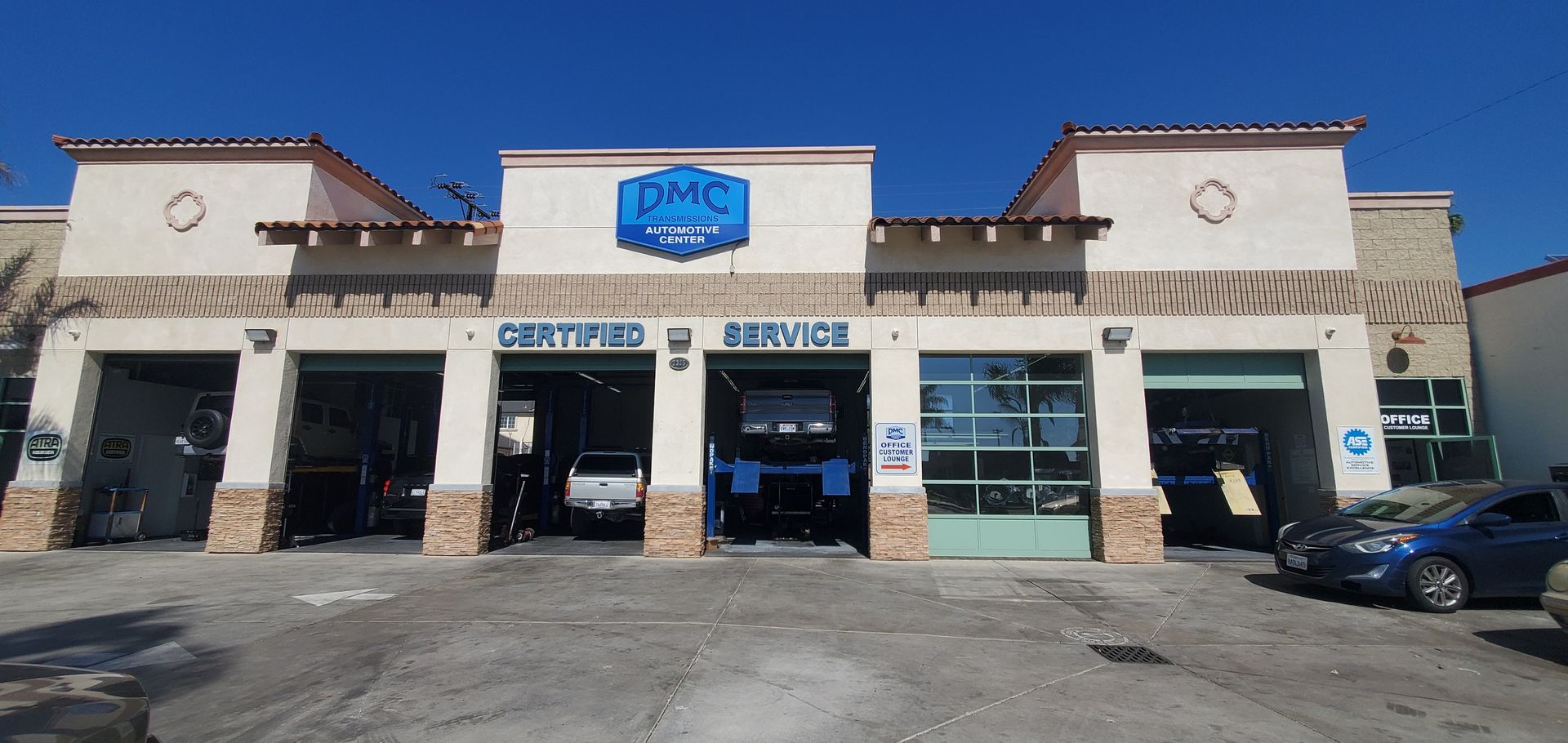
At DMC Automotive, we help you figure out when your transmission needs attention. There are different types of fluid changes, factors that affect your schedule, and a few habits that’ll keep your transmission running strong for years.
Recommended Change Intervals by Transmission Type
Most cars and trucks need transmission fluid changes somewhere between 30,000 and 60,000 miles. Some newer models can go up to 100,000 miles, but that's pushing it for a lot of vehicles.
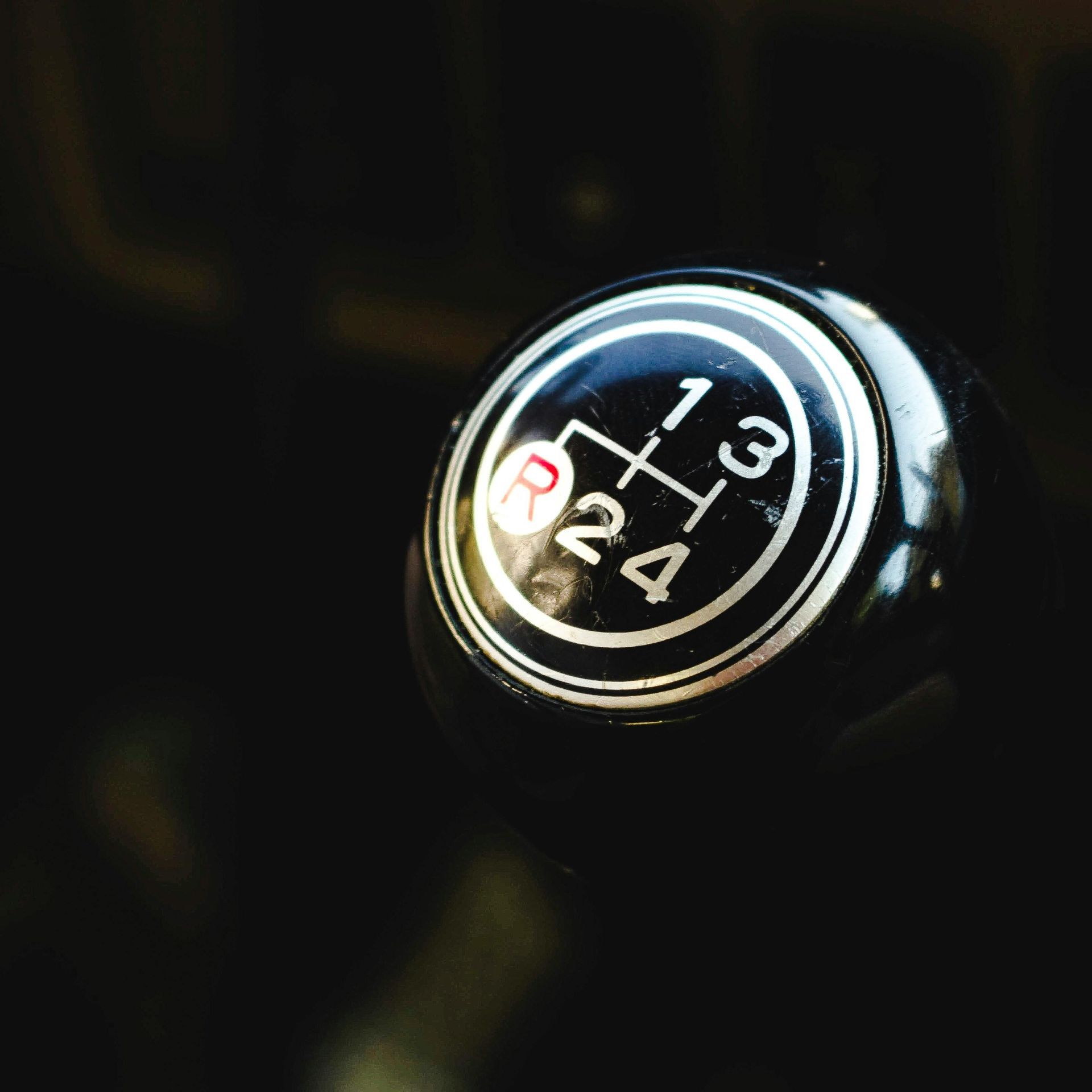
Manual transmissions usually need fluid changes every 30,000 to 60,000 miles. Since you shift gears yourself, you create more heat and wear on the fluid.
Automatic transmissions in older cars (pre-2010) tend to need changes every 60,000 miles. Newer automatics often use synthetic fluid that lasts longer—sometimes up to 100,000 miles, but check your manual.
CVT (Continuously Variable Transmissions) need changes every 60,000 to 100,000 miles, depending on the manufacturer. These are especially picky about fluid quality, so don’t skip checking your owner’s manual.
Heavy-duty trucks and towing vehicles really chew through fluid faster. You’ll probably need to change it every 30,000 miles if you’re towing or hauling heavy stuff a lot.
Signs that indicate Transmission Fluid Needs Changing
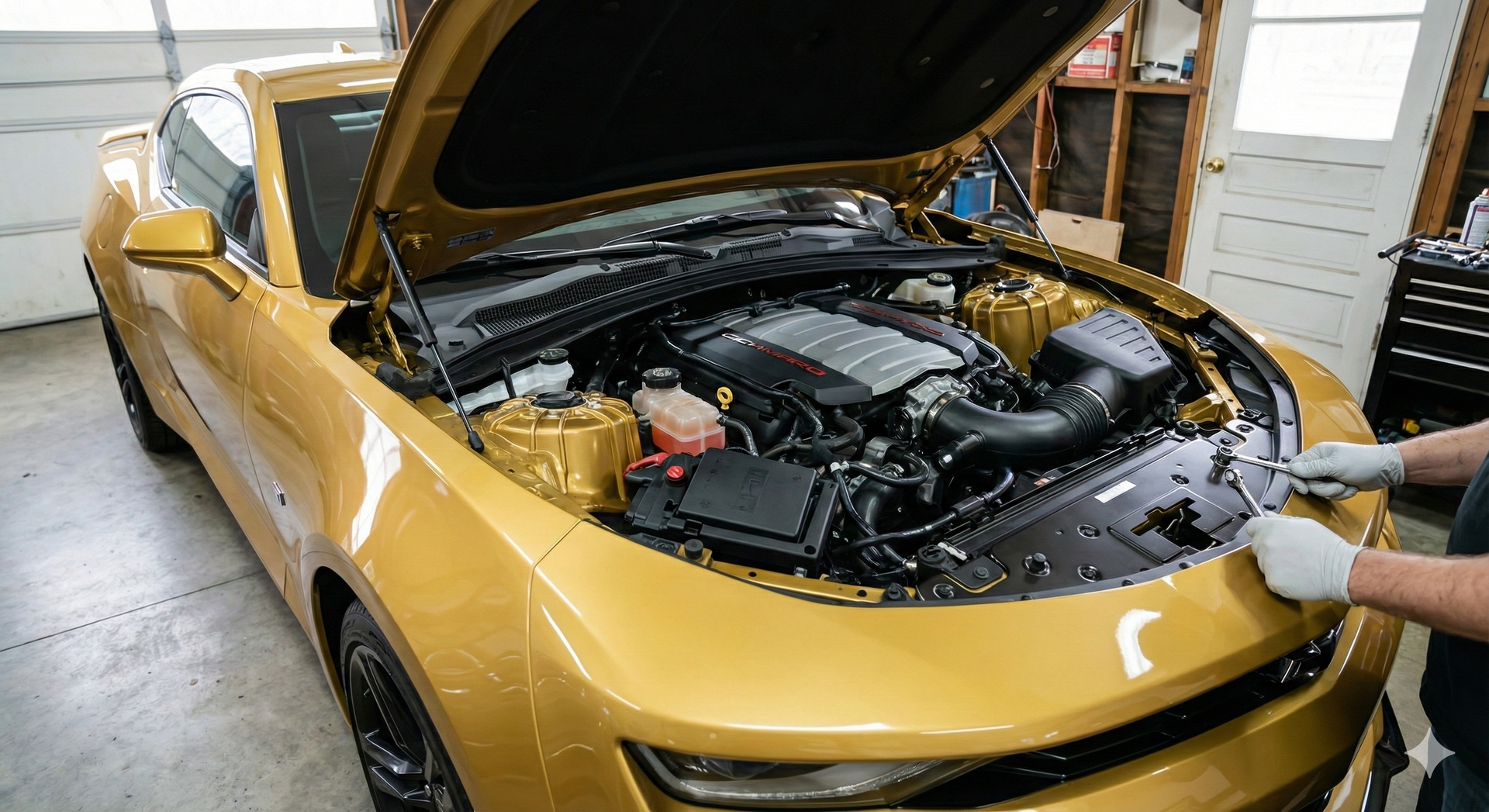
Dark or burnt-smelling fluid screams for a change. Fresh transmission fluid is bright red or pink and smells a bit sweet. If it’s any other color, consider that a warning sign.
Grinding or weird noises when shifting gears often mean your fluid’s lost its protective magic. We always check fluid first if someone complains about this.
Slipping gears or delayed shifting happen when old fluid can’t keep up with hydraulic pressure. Clean fluid really does make a difference here.
If you see visible particles or debris in the fluid, that’s a sign of internal wear. We recommend checking your transmission fluid every oil change. It’s better to catch problems early and a lot cheaper than waiting.
Transmission overheating shows up as a burning smell or a dashboard warning light. Old fluid just can’t cool things off like it should.
Driving conditions matter more than you think. Stop-and-go traffic, mountain roads, and towing all crank up the heat and break down fluid faster.
Climate extremes also play a part. We see more issues in places with scorching summers or brutal winters. Temperature swings just aren’t kind to fluid additives.
Towing and hauling cut your change interval in half. If you’re pulling a trailer or carrying heavy loads regularly, plan on changing fluid every 30,000 miles instead of 60,000.
Vehicle age makes a difference too. Older transmissions with more miles tend to make more debris, so we usually recommend shorter intervals for cars over 100,000 miles.
Manufacturer specifications should be your baseline. Brands like Honda and Toyota sometimes have unique requirements, so always double-check.
Types of Transmission Fluid Changes
Different transmissions need different change methods. The way you do it actually affects how much old fluid you remove.
Automatic vs. Manual Transmission Fluid Changes
Automatic transmissions usually hold 12 to 16 quarts. Manuals only need 4 to 6 quarts.
We end up changing automatic transmission fluid more often, since these systems run hotter and break the fluid down faster. Manuals don’t generate as much heat during normal driving, so their fluid lasts longer.
The fluid itself is different, too. Automatics use ATF (Automatic Transmission Fluid) in formulas like Dexron, Mercon, or CVT fluid. Manuals often call for gear oil or sometimes even the same oil as your engine.
Flush vs. Drain and Fill Methods
A drain and fill pulls out about 40% to 50% of the old fluid. We drop the pan, swap the filter, and pour in new fluid. It’s cheaper and works for regular maintenance.
A transmission flush replaces 95% to 100% of the old fluid. We hook up a special machine that pushes new fluid through while pulling the old stuff out. It takes more time and costs more, but sometimes it’s worth it.
We usually go with drain and fill if you’ve kept up with maintenance. Flushing makes more sense if you’ve skipped a few changes or just bought a used car with a mystery service history. Some manufacturers even warn against flushing older transmissions because the pressure can knock loose debris and cause headaches.
Transmission Fluid Maintenance Best Practices
Regular maintenance keeps your transmission running smoothly and helps you dodge expensive repairs. Staying on top of fluid levels and changes protects what’s probably the most complicated system in your car.
Checking Transmission Fluid Levels and Condition
We recommend checking your transmission fluid at least once a month. Park on level ground and warm up the engine first.
Most cars have a dipstick for this. Pull it out, wipe it clean, put it back in, then pull it out again to check the level. The fluid should sit between the minimum and maximum marks.
Healthy transmission fluid looks:
- Bright red or pink
- Clear, not cloudy
- No particles or grit
- No burnt smell
If it’s dark brown or black, it’s time for a change. A burnt smell means heat has broken the fluid down. Metal shavings on the dipstick is a red flag for internal wear. In other words, don’t wait to get it checked out.
Some newer vehicles ditched the dipstick entirely. We can still check these sealed transmissions at our shop with special tools, so don’t worry if you can’t find one under your hood.
Consequences of Neglecting Transmission Fluid Changes
Old transmission fluid can do a number on your vehicle. It just stops lubricating moving parts and can't regulate temperature like it's supposed to.
Common problems from delayed fluid changes include:
- Hard or delayed shifting between gears
- Slipping gears during acceleration
- Grinding or unusual noises
- Complete transmission failure
The Automatic Transmission Rebuilders Association points out that changing your fluid on time can make your transmission last 50,000 miles longer or more.
Contaminated fluid builds up friction and heat inside your transmission. That heat breaks down seals and gaskets, causing leaks. Small issues snowball into disasters if you skip fluid changes.
“I've seen transmissions give out at just 80,000 miles because folks ignored basic maintenance. But when you keep up with fluid service, some transmissions keep going well past 200,000 miles. It really does make all the difference.”
Visit
DMC Automotive Repair for all your transmission service needs. We’re located at
2325 E Thompson Blvd in Ventura.