Your car's transmission is a complicated and expensive system to fix or replace. That's why sticking to a regular transmission service schedule is so important.
At DMC Automotive Repair, we want drivers to understand what goes into proper transmission care. A standard transmission service means draining out the old fluid, swapping the transmission filter, cleaning the pan, and filling it all back up with fresh fluid.
We also check the transmission for leaks, weird wear, or other problems that might be brewing. This service keeps things running smoothly and can save you from big repair bills later on.
Transmission work can seem confusing. So let's break down what we actually do during a transmission service and why each step matters for your car's health.
Core Components of a Transmission Service
Fluid Replacement or Exchange
We start by draining the old transmission fluid and putting in fresh fluid. Over time, the fluid breaks down and picks up metal bits and debris from normal wear.
That dirty fluid can't lubricate or cool the transmission as well. We always use the right fluid for your specific vehicle since using the wrong kind can mess things up fast.
Fresh fluid is usually bright red or pink and moves smoothly through the system. If you want a more thorough job, a fluid exchange removes more old fluid than a basic drain and fill.
We use special equipment to flush the system while adding new fluid, swapping out about 90-95% of the old stuff. A simple drain and fill only gets rid of about half.
Transmission Filter and Gasket Replacement
We take out the old transmission filter and put in a new one. The filter's job is to catch dirt, metal shavings, and other junk that could damage parts inside.
If the filter gets clogged, it restricts fluid flow and can cause shifting issues. The pan gasket seals the bottom of the transmission to keep leaks from happening.
Some transmissions have filters tucked deep inside, which are trickier to reach. We'll check your vehicle's design and follow the manufacturer's instructions for replacing the filter.
Pan Inspection and Cleaning
We pull off the transmission pan to reach the filter and drain out every drop of old fluid. With the pan off, we inspect it closely for metal bits, sludge, or debris.
We clean the pan thoroughly, scraping away old gasket material and any buildup. The magnetic drain plug gets special attention since it grabs metal particles.
We check the pan for cracks or other damage before putting it back. A clean pan helps fluid flow right and lets us keep an eye on things during future services.
Diagnostic and Preventative Maintenance
We use diagnostic tools and visual checks to catch transmission problems early. Spotting issues before they get worse helps your transmission last longer.
Electronic System Checks
We hook up a diagnostic scanner to your vehicle to read transmission codes and see performance data. The scanner pulls info from your transmission control module, which tracks shift timing, fluid temperature, and sensor readings.
We watch live data while the engine runs to see if the transmission shifts like it should. This tells us how the torque converter locks up and if solenoids do their job at the right time.
If any error codes pop up, we record and analyze them. We also check for software updates for your transmission control module. Sometimes manufacturers release updates that improve shifting or fix bugs.
Visual Inspection of Transmission Components
- Seals and gaskets
- Transmission pan
- Transmission mounts for tears
- CV axles
- Drive shafts
- Bell housing
We lift your car and look for leaks around seals and gaskets. Even small leaks can drop fluid levels and cause damage.
The transmission pan gets checked for dents or damage that could mess with fluid flow. We inspect the cooler lines for cracks, rust, or loose fittings.
The transmission mounts need to be in good shape, so we check for tears or separation. We also look at the CV axles, drive shafts, and bell housing for any signs of wear or cracks.
Underneath, we check for metal shavings or debris that could signal internal wear.
Adjustment of Linkages and Cables
We adjust the shift linkage to make sure it lands in each gear position correctly. If the linkage is off, your transmission might not fully shift into park or other gears.
If your vehicle has a throttle valve cable, we check and adjust its tension. This cable controls when the transmission shifts based on how much gas you give it.
We lubricate all the moving parts in the linkage system. After adjustments, we test the shifter to confirm it moves smoothly through all gears. The park safety switch also gets tested to make sure your car only starts in park or neutral.
Additional Services and Recommendations
As you can see, we go beyond just changing the fluid. These extra steps help us catch problems early and keep your car's transmission working well for years.
Road Testing for Performance
We take your car for a drive before and after the transmission service. This lets us feel how it shifts through every gear in real-world driving.
During the drive, we listen for odd noises, check shift timing, and feel for any vibrations. We watch for delays when shifting from park to drive and test at different speeds to see how it handles city and highway driving.
After the service, we drive it again to make sure the new fluid made a difference. If any issues pop up during testing, we let you know right away. Sometimes, bigger repairs are needed beyond a basic fluid service.
Fluid Leak Inspection
We inspect the transmission and its surroundings for leaks. Leaks can waste your new fluid and cause real trouble if ignored.
We check the transmission pan gasket, output shaft seals, and cooler lines for any wetness or drips. The spot where the transmission meets the engine gets a close look too.
Red or brown fluid under your car usually means a leak. If we find one, we'll explain where it's coming from and what it'll take to fix. Some leaks just need a new gasket or seal, which we can handle during the service.
Service Intervals and Maintenance Recommendations
We stick with your vehicle manufacturer's recommended service intervals for transmission maintenance. Most manufacturers suggest a service every 30,000 to 60,000 miles.
This range really depends on your make and model, though. Your driving habits actually matter a lot, too.
If you tow, get stuck in stop-and-go traffic, or drive in the mountains, your transmission takes more of a beating. In those cases, we usually recommend more frequent service.
We track your service history and let you know when your next transmission service is coming up. Honestly, keeping up with maintenance is way cheaper than dealing with a major transmission repair or replacement.
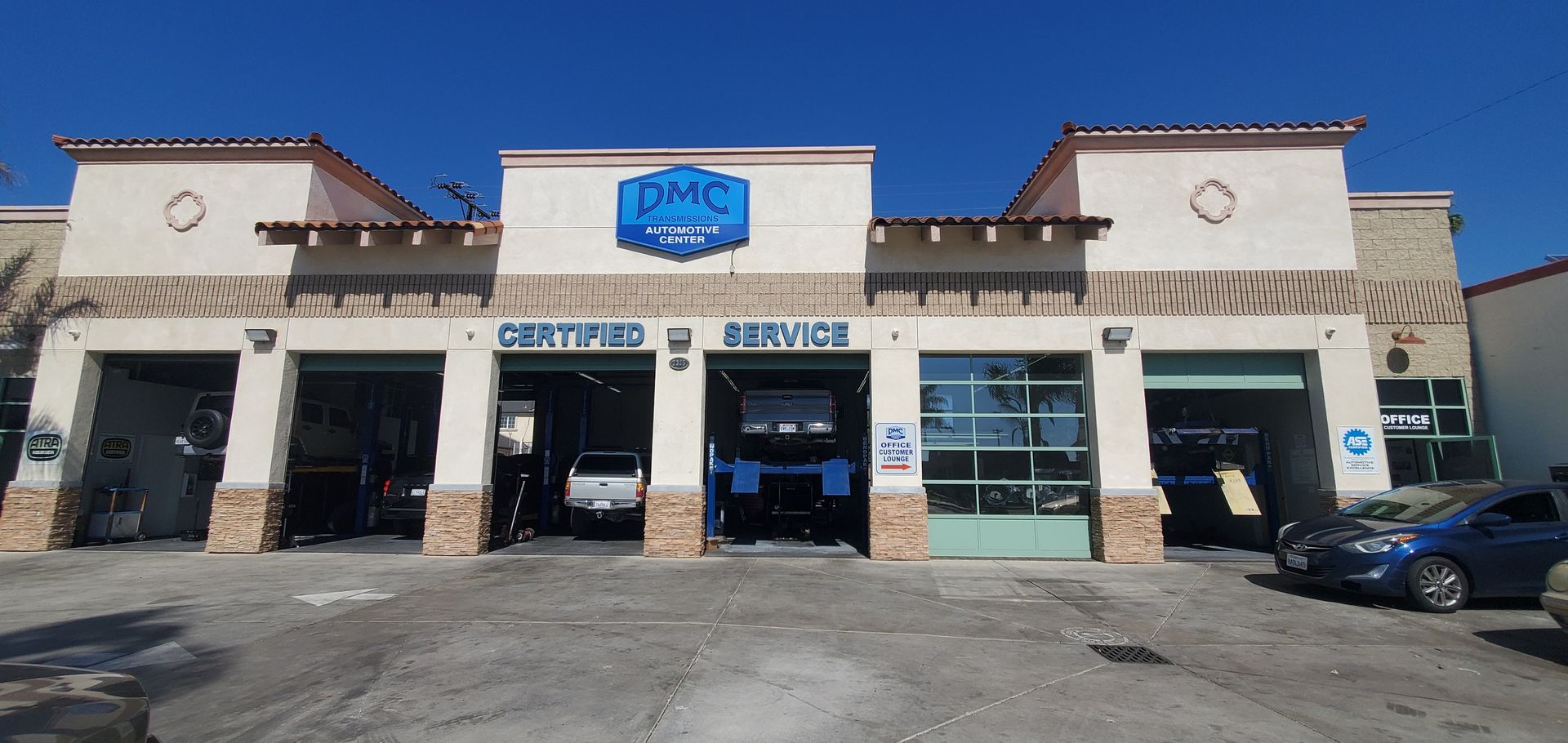
Visit DMC Automotive Repair for all your transmission service needs. We’re located at 2325 E Thompson Blvd in Ventura.