TLDR
- The ABS warning light means the antilock braking system has detected a fault and disabled itself
- Your base braking function still works, but you have lost the system that prevents wheel lockup during hard stops
- On wet roads and in emergency braking situations, ABS makes a meaningful difference, and this is worth diagnosing promptly
The ABS warning light is one of the more commonly misunderstood dashboard alerts. Some drivers notice it and assume it is just a sensor issue that can wait. Others are unsure whether their brakes have actually been affected at all. Both are understandable assumptions that can lead to a vehicle operating with less stopping capability than it should have.
What Changes When ABS Goes Offline
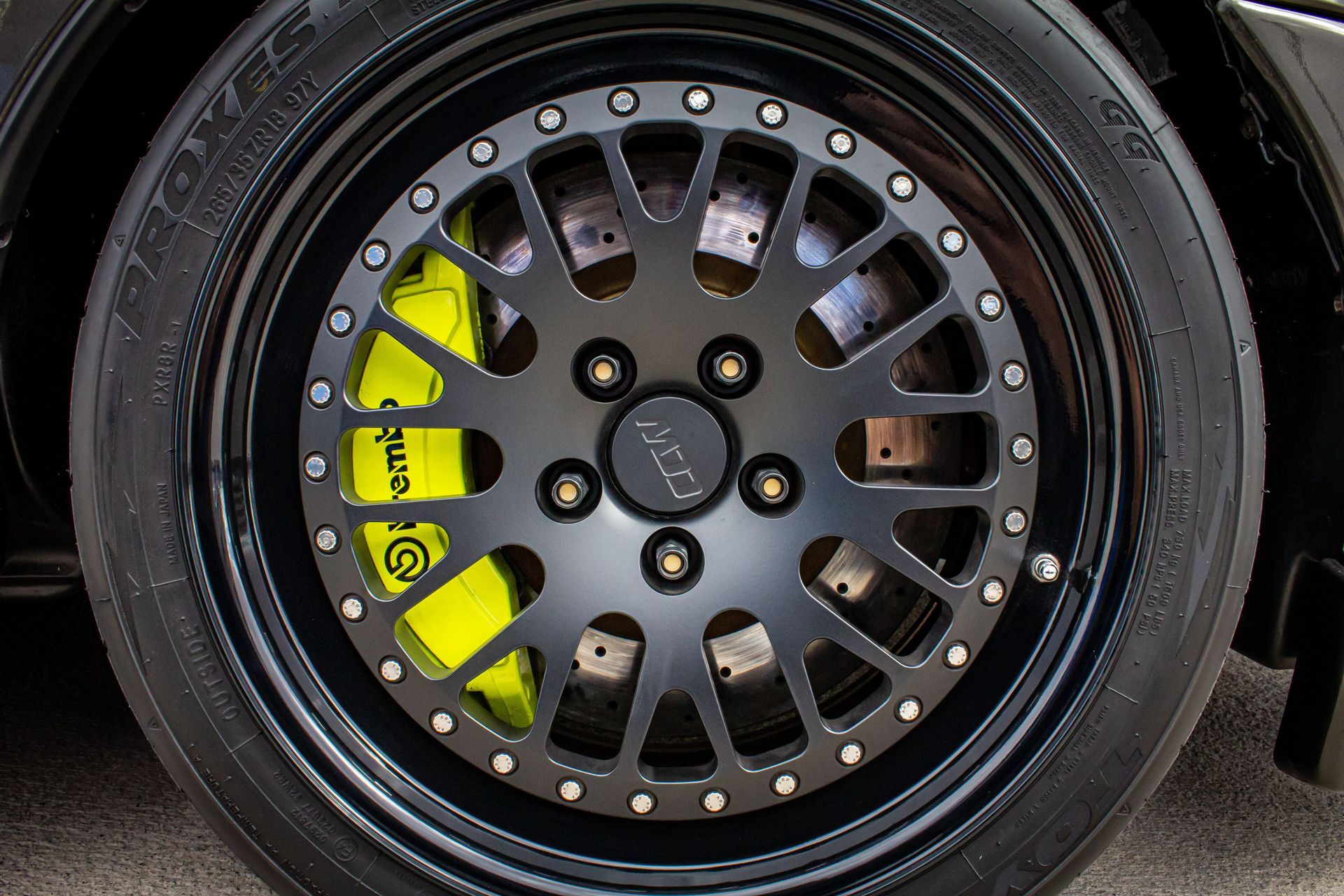
Your base braking system, the hydraulic circuit that applies pressure to your brake calipers and drums, is separate from the ABS module. When the ABS light comes on and the system disables itself, your standard braking function is still intact. You can still slow and stop the vehicle.
What you lose is the electronic intervention that prevents wheels from locking under hard braking. Without ABS, a sudden hard stop on a slippery surface can lock the front wheels, which eliminates your ability to steer. In a panic-stop scenario on a wet stretch of the 101 or on a damp early-morning surface in Ventura, the difference between ABS active and ABS offline is your ability to steer around what you are stopping for.
Research cited by
Automotive Fleet from NHTSA's long-term ABS study found that ABS reduces overall non-fatal crash rates by approximately 6 percent in passenger cars and 8 percent in light trucks. The benefit is most pronounced in wet-road and multi-vehicle collision scenarios where maintaining steering during braking is decisive.
What Triggers the ABS Light
The ABS system relies on wheel speed sensors at each corner of the vehicle. When a sensor detects that one wheel is slowing faster than the others during braking, a signal that the wheel is approaching lockup, the ABS module rapidly pulses brake pressure to that wheel to keep it rolling.
The most common cause of an ABS warning light is a failed or dirty wheel speed sensor. Sensors can fail from age, physical damage, or accumulation of debris. A wiring issue between the sensor and the ABS module produces a similar fault. The ABS control module itself can also fail, though this is less common.
In our 18 years working on vehicles in Ventura, most ABS warning lights we see come in from a single wheel speed sensor that has failed or has accumulated road grime on the sensing ring, a ring of teeth on the axle that the sensor reads as the wheel spins.
If the ABS and Brake Warning Lights Are Both On
If only the ABS light is on, the concern is as described above, the ABS system is offline but base braking is intact. If both the ABS light and the red brake warning light illuminate together, that indicates a more serious issue involving the base brake hydraulic system, possible low brake fluid, or a brake pressure fault. Both lights together warrant immediate attention and we recommend not driving until the vehicle has been evaluated.
What Diagnosis Involves
An ABS scan retrieves wheel speed sensor fault codes that identify which sensor or circuit has failed. A bidirectional scan tool can monitor live wheel speed data to confirm the sensor reading. Physical inspection of the sensor wiring and sensing ring identifies damage or contamination.
Stop by our shop if your
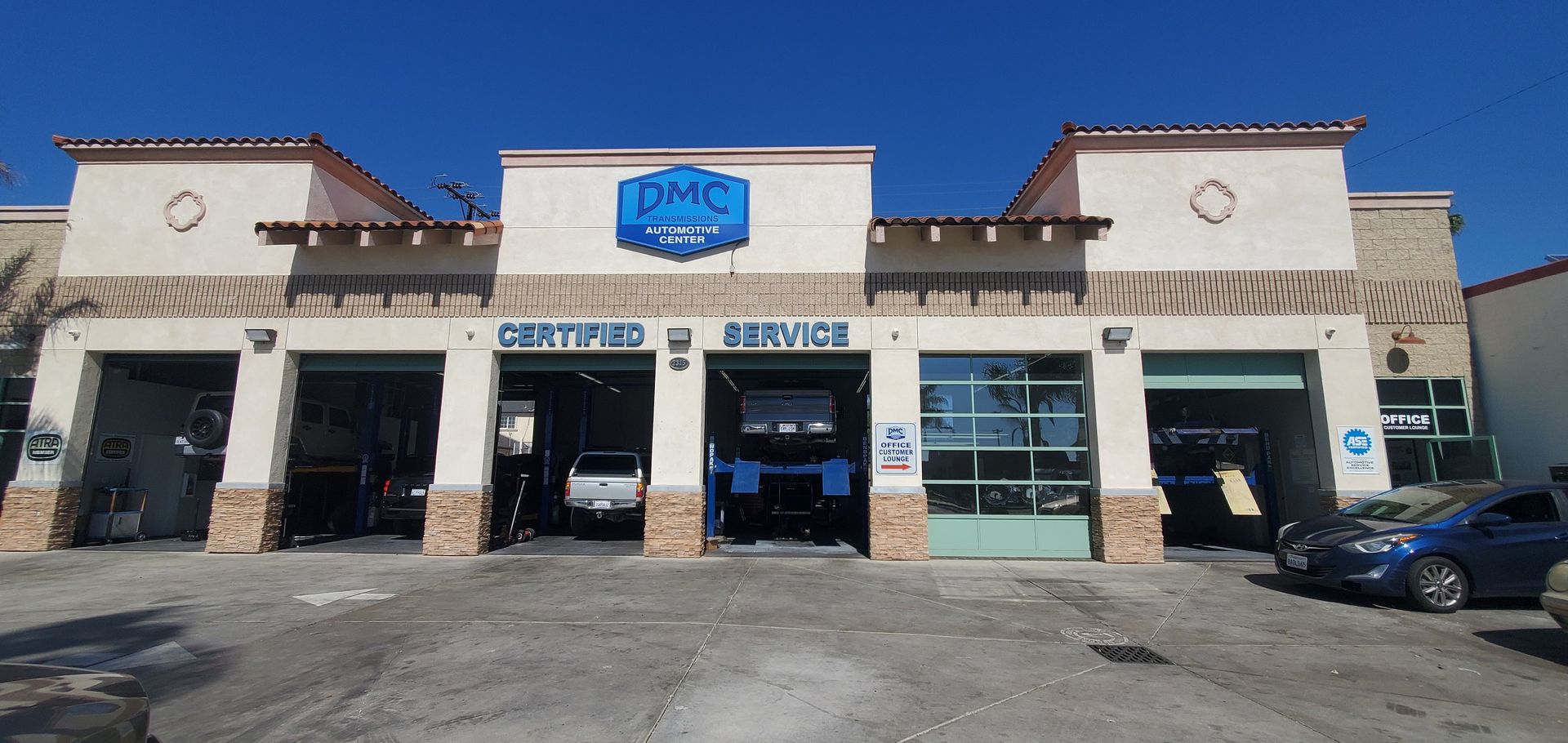
ABS warning light is on. Our team can diagnose the cause and restore full ABS function.
FAQs
Can I drive with the ABS light on?
For normal driving, yes, your base braking still works. What has changed is your protection in emergency stops, particularly on wet or slippery surfaces. We recommend having it diagnosed promptly rather than treating it as something that can wait indefinitely, especially given Ventura's coastal roads and morning moisture.
Will my car pass a California smog test with the ABS light on?
The ABS system is a safety system, not an emissions system, so the ABS light alone does not affect the OBD emissions check or prevent a smog certificate. However, it will flag during a vehicle safety inspection or state-mandated brake check if one is required for your vehicle type.
Is it possible the ABS light is on because of a low brake fluid level?
Yes. Low brake fluid can trigger the ABS light in some vehicles, particularly when the level has dropped enough to affect pressure in the ABS modulator. Always check the brake fluid level first when the ABS light comes on. If the red brake warning light is also on, treat the vehicle as having a brake system concern, not just an ABS one.
Our Location
DMC Automotive Repair
Address:
2325 E Thompson Blvd, Ventura, CA 93003
Phone Number:
(805) 652-2221
Hours: Monday-Friday, 7:00 AM - 6:00 PM