A brake pedal that sinks further than usual toward the floor, or that needs more pressure than it used to before the vehicle slows, is one of the more unsettling things a driver can experience. A soft or spongy brake pedal is not a minor inconvenience. It is a sign that something in the hydraulic brake system is not functioning correctly, and in some cases it points to a safety concern that needs to be addressed before the vehicle is driven further.
Research from the National Motor Vehicle Crash Causation Survey, published by the
National Highway Traffic Safety Administration, identifies brake system failures as one of the most common vehicle-related critical reasons assigned in crash investigations. A change in pedal feel is not something to dismiss.
If you are noticing this on your way through Downtown Ventura or during your commute on the 101, here is what is likely causing it and what needs to happen next.
How a Healthy Brake Pedal Should Feel
A properly functioning brake pedal should feel firm the moment you begin pressing it. You should reach full braking force well before the pedal approaches the floor, and the resistance should remain solid throughout the stroke.
If the pedal feels springy, compressible, or travels further than normal before the brakes engage, something in the hydraulic system is failing to hold pressure as it should.
The Most Common Causes of a Soft Brake Pedal
Air in the Brake Lines
This is the most frequent cause of a spongy pedal. Your brake system transmits force through fluid, which is effectively incompressible (that is what makes hydraulic braking so reliable). Air, however, is compressible. When air enters the brake lines through a leak, a low fluid level, or improper bleeding after a repair, it absorbs pedal pressure rather than passing it on to the calipers.
The fix is a brake bleed, a process that purges the air from the system and replaces it with clean fluid. Once the lines are properly bled, pedal firmness typically returns right away.
We see this often after customers have had brake work done at a shop that did not complete the bleed properly. When a soft pedal develops shortly after a recent repair, air in the lines is usually the first thing we check.
Low or Contaminated Brake Fluid
Brake fluid absorbs moisture from the atmosphere over time. Federal Motor Vehicle Safety Standard No. 116 governs brake fluid quality and sets minimum boiling point thresholds specifically because moisture infiltration is predictable and measurable. Standard glycol-based brake fluid absorbs roughly one to two percent moisture per year under normal conditions. As moisture accumulates, the boiling point of the fluid drops.
In our shop we test brake fluid moisture content as part of every brake service. We regularly see vehicles where the fluid has not been changed in four or five years, and by that point the moisture levels are high enough that a soft pedal under hard use is almost inevitable. Coastal Ventura humidity accelerates that process more than most people realize.
Under hard braking (descending the grades near Ondulando, stopping suddenly in heavy traffic near the Pacific View Mall area, or making repeated stops on a longer commute) fluid that has absorbed too much moisture can partially vaporize, creating vapor pockets that behave like air bubbles. This is a form of brake fade, and a spongy pedal under hard use is one of its symptoms.
Low fluid can also indicate a leak somewhere in the system, which needs to be diagnosed and repaired rather than simply refilled.
A Failing Master Cylinder
The master cylinder converts the pressure from your foot on the pedal into hydraulic pressure throughout the brake lines. When its internal seals wear out, it can lose the ability to build and hold pressure, causing the pedal to sink progressively toward the floor even as you press it.
A master cylinder failure has a specific feel that is different from air in the lines. With air in the system, the pedal tends to feel spongy from the first press. With a failing master cylinder, the pedal often starts firm and then slowly sinks while your foot holds steady pressure. That gradual sink is the tell. A pressure test during a professional inspection will confirm it, and in most cases the diagnosis takes only a few minutes on the lift.
This cause requires master cylinder replacement rather than a bleed or fluid change.
A Brake Fluid Leak
Leaking fluid from a damaged hose, corroded line, caliper, or wheel cylinder reduces the volume available to build pressure. A wet spot near a wheel, a puddle beneath the vehicle, or a fluid level in the reservoir that drops consistently are all signs of a leak that needs immediate attention.
What to Do if Your Pedal Feels Soft
Do not keep driving and hope it improves on its own. A brake system that cannot build proper pressure is a safety issue, particularly when a hard stop becomes necessary.
If the pedal feels soft or is sinking toward the floor, have the vehicle inspected as soon as possible. If you have never had a formal brake inspection and are not sure what to expect, our walkthrough of
what happens during a brake inspection explains the process from start to finish.
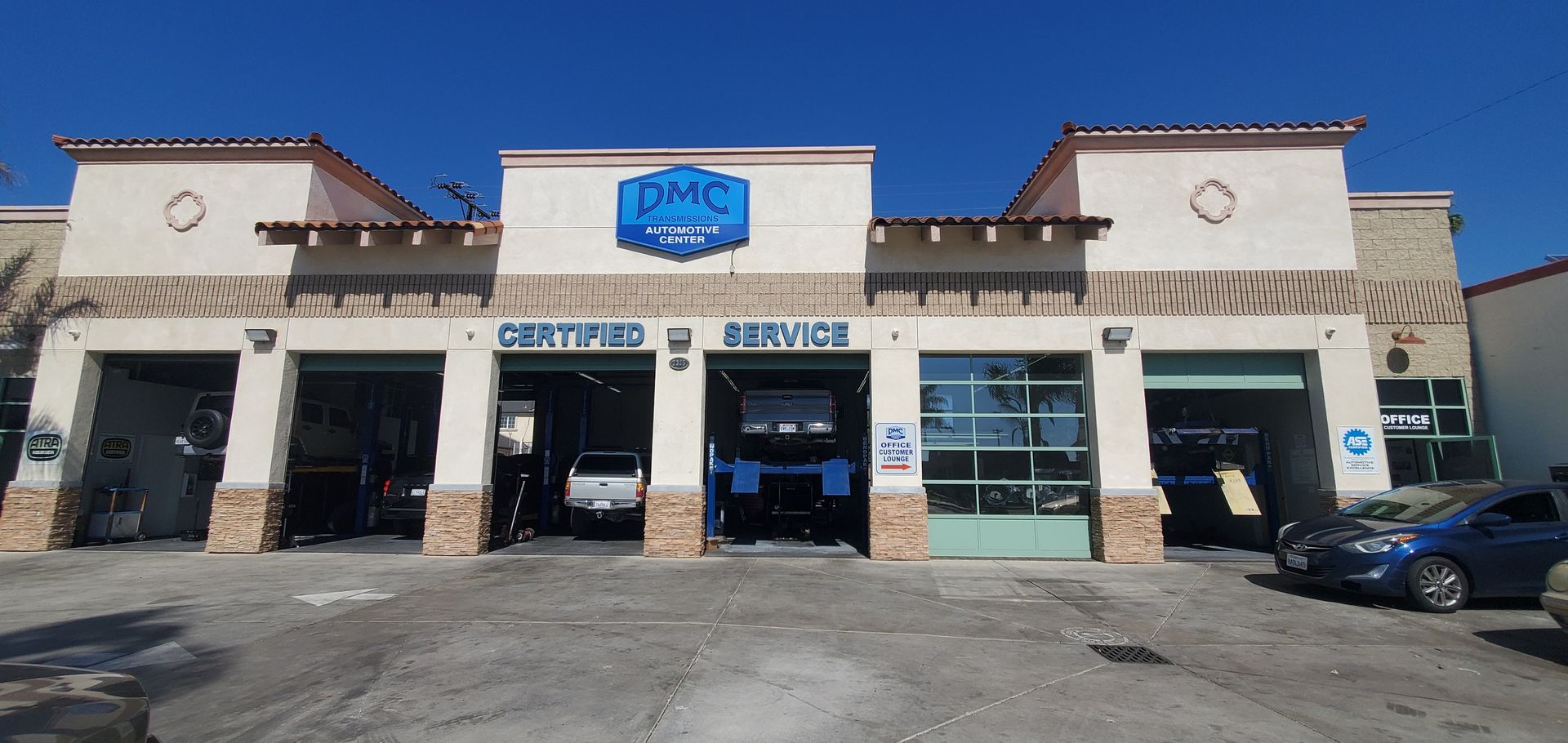
The repair may be as straightforward as a brake bleed or fluid replacement, or it may involve a master cylinder or line repair. Our team at DMC Automotive Repair will diagnose the cause and give you a clear estimate before any work begins. Schedule your brake repair appointment and we will get to the root of it quickly.
Our technicians are
ASE-certified, and DMC Automotive is an AAA Approved Auto Repair Facility and a TechNet member with a 36-month/36,000-mile nationwide warranty on repairs.
FAQs
Is a soft brake pedal dangerous?
Yes. A pedal that sinks too easily means the system cannot build full braking pressure, which increases stopping distances and reduces your control in an emergency. The National Highway Traffic Safety Administration identifies brake system failures as one of the leading vehicle-related factors in crash causation studies. Do not wait to have this inspected.
Can I drive with a spongy brake pedal?
We recommend against it, especially on routes with traffic, grades, or freeway on-ramps. If the pedal is functional but feels off, drive cautiously and have it inspected the same day. If the pedal sinks to the floor, do not drive the vehicle.
Will pumping the brakes temporarily fix it?
Pumping can build pressure if air is in the lines, but it is not a repair and it is not a safe substitute for one. If you need to pump the brakes to get a firm pedal, that confirms the system needs professional diagnosis. The underlying problem will return and will likely worsen the longer it goes unaddressed.
Do not wait on a soft brake pedal. Bring your vehicle to DMC Automotive Repair in Ventura and we will find the cause and fix it. Call us at (805) 652-2221 or book online today.
Our Location
DMC Automotive Repair
Address:
2325 E Thompson Blvd, Ventura, CA 93003
Phone Number:
(805) 652-2221
Hours: Monday-Friday, 7:00 AM - 6:00 PM