TLDR
- The battery warning light signals a charging system failure, most often the alternator, not simply a dead or weak battery
- When the light comes on while driving, your vehicle is running only on battery reserve power, which typically lasts 20-30 minutes before systems begin to fail
- Turn off non-essential electrical loads, get to a shop directly, and do not turn the engine off until you arrive
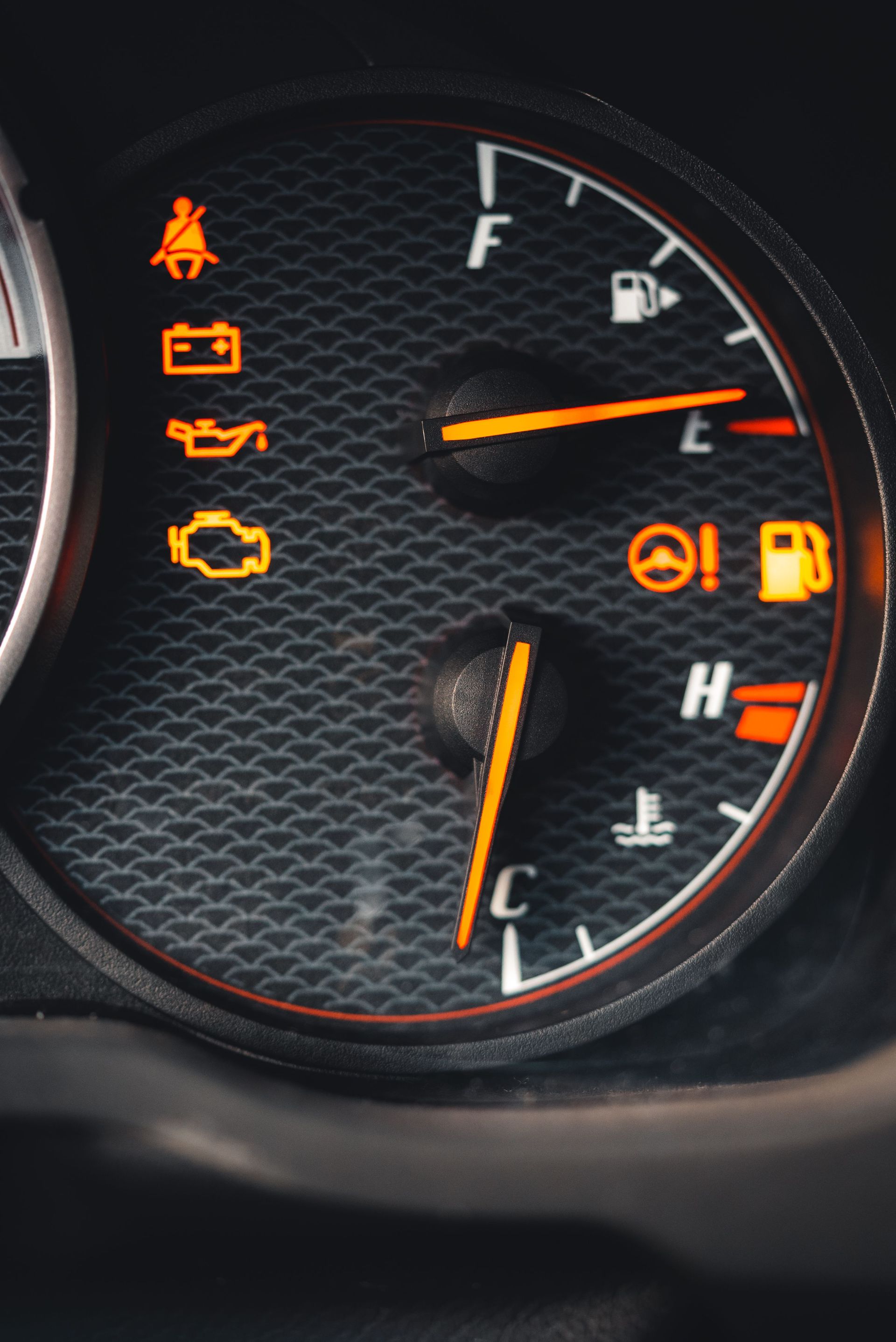
The battery-shaped icon on your dashboard is one of the most misleading names in automotive warning lights. It is rarely about the battery itself. By the time this light illuminates while the vehicle is running, the more likely culprit is the alternator, the component that both charges the battery and powers the vehicle's electrical systems when the engine is on.
What the Light Actually Indicates
When the engine is running, the alternator generates electrical current. That current powers everything from the fuel injection system to the ignition coils to the power steering. It also continuously recharges the battery so it is ready to start the vehicle next time.
When the battery warning light comes on while driving, it means the system is detecting a voltage level below what the alternator should be producing. The engine control module sees that the alternator is not keeping up, and the battery reserve is now powering the vehicle instead of the alternator.
In our 18 years working on vehicles in Ventura, the most consistent pattern we see with the battery light is that it comes on either because the alternator has failed outright, or because the serpentine belt that drives the alternator has broken or slipped. Without belt contact, the alternator spins but does not generate output.
How Much Time You Have
A vehicle running on battery reserve alone typically has 20 to 30 minutes of runtime before systems begin to fail, less if the air conditioning, headlights, and other major electrical loads are running. The sequence of failures is usually electrical-first: power steering assist may reduce, the radio may cut out, lights may dim. Eventually the engine loses its ignition and fuel delivery current and stalls.
AAA's roadside data consistently shows that battery-related problems, including faulty alternators and starters, are among the top three causes of roadside breakdowns. Vehicles 10 years and older are twice as likely to be stranded on the side of the road compared to newer vehicles. Battery and alternator issues do not always announce themselves in advance.
What to Do When the Light Comes On
Turn off the air conditioning and any electrical accessories you do not need, including the rear defrost, heated seats, and stereo. This extends your battery reserve. Do not turn the engine off to "save the battery," as restarting will draw significant current and may leave you with less reserve than simply keeping the engine running.
Drive directly to a shop. Do not run errands first. Do not assume the light will clear on its own. If the alternator has failed, it will not recover.
If the light came on briefly and has gone off, the alternator may have a loose connection or intermittent failure. Have it tested. An alternator that is producing marginal voltage will continue to fail completely under higher electrical load.
What Causes the Battery Warning Light
Alternator failure is the most common cause. Alternators have brushes, bearings, and diodes that wear over time. A fully failed alternator produces zero charge output. A failing alternator may produce intermittent or reduced output that does not hold the battery charged over longer drives.
A broken or worn serpentine belt is the second most common cause. The serpentine belt drives the alternator, power steering pump, and air conditioning compressor. A belt that has snapped or slipped off the alternator pulley leaves the alternator unpowered.
Battery issues that are not the primary cause can appear in combination. A battery too weak to hold a charge will drain overnight even if the alternator is healthy. A battery with an internal short can place excessive load on the alternator, accelerating its wear.
If your
battery warning light is on, our team can test the alternator output, the battery condition, and the charging circuit.
FAQs
Should I replace the battery or the alternator when the battery warning light comes on?
Testing both before replacing either is the right approach. A charging system test measures the alternator's actual output voltage and the battery's reserve capacity. Replacing a battery when the alternator is failing means the new battery will drain the same way the old one did. Replacing the alternator when the battery has an internal failure means the new alternator works harder and wears faster.
Can I jump-start my car if the battery warning light is on?
Yes, if the battery has discharged to the point of not starting. However, once the vehicle is running, if the alternator is the problem, the battery will continue to discharge while driving. A jump-start buys you time to get to a shop; it does not resolve the underlying charging failure.
Does the battery warning light always mean I will be stranded?
Not always immediately. The light indicates a charging system fault, and how quickly you lose power depends on how much reserve the battery has and how many electrical systems are running. Treating the light as urgent rather than deferring it is the right approach.
Our Location
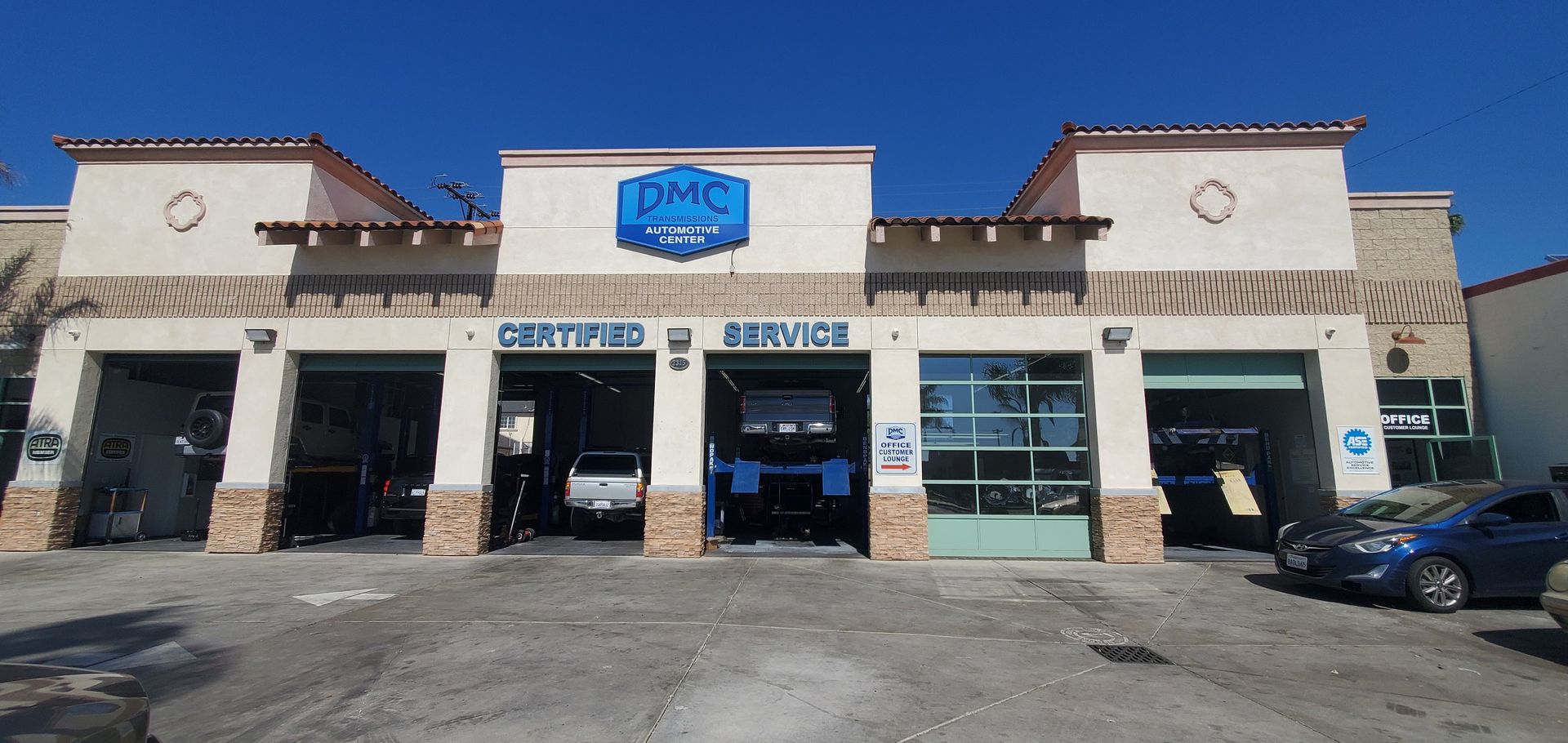
DMC Automotive Repair
Address:
2325 E Thompson Blvd, Ventura, CA 93003
Phone Number:
(805) 652-2221
Hours: Monday-Friday, 7:00 AM - 6:00 PM