If a service adviser has ever recommended a brake fluid flush during a routine visit, you may have wondered whether your vehicle genuinely needed it or whether you were looking at an unnecessary upsell. It is a fair question, and the answer depends on a few specific factors.
Understanding them helps you make an informed decision every time the topic comes up.
Here is what a brake fluid flush actually is, why fluid condition matters to your safety, and how to know when the service is genuinely warranted.
How Brake Fluid Works
Your brake system is hydraulic. When you press the pedal, a master cylinder pushes brake fluid through a network of lines to the calipers at each wheel. The calipers clamp the brake pads against the rotors, and that friction slows the vehicle.
Brake fluid is the medium that carries that force from your foot to the wheels. For the system to work correctly, the fluid must maintain pressure without compressing or vaporizing under heat. The chemistry of how it does that is also why it degrades over time.
Why Brake Fluid Degrades Over Time
Here is something many drivers do not realize. Brake fluid is hygroscopic, meaning it actively absorbs moisture from the surrounding environment. This happens gradually and continuously through microscopic permeation in rubber hoses and seals, even in a well-maintained vehicle.
Federal Motor Vehicle Safety Standard 116 (FMVSS 116) sets the minimum performance thresholds for all brake fluids sold in the United States, specifically because moisture absorption is a documented safety concern. Fresh DOT 3 fluid must meet a minimum dry boiling point of 205 degrees Celsius (401 degrees Fahrenheit) and a wet boiling point of at least 140 degrees Celsius (284 degrees Fahrenheit). DOT 4 requirements are higher, with a minimum dry boiling point of 230 degrees Celsius (446 degrees Fahrenheit) and a wet minimum of 155 degrees Celsius (311 degrees Fahrenheit). The gap between those dry and wet figures shows exactly how much performance margin moisture removes from the fluid over time.
As moisture accumulates in the fluid, two problems develop. The boiling point drops. As moisture content increases, that boiling point falls. Under hard braking conditions, such as descending grades near Ondulando, making repeated stops on the 101 in heavy traffic, or stopping frequently on a longer coastal drive, fluid temperature rises sharply.
Moisture-contaminated fluid can partially vaporize at temperatures that fresh fluid handles without issue. Those vapor pockets compress under pedal pressure rather than transmitting it, reducing braking effectiveness. This is brake fade, and a spongy pedal under hard use is one of its symptoms.
Internal corrosion accelerates. Moisture-laden fluid promotes rust and corrosion inside calipers, wheel cylinders, ABS components, and brake lines. Over time, this degrades seals and metal parts in ways that lead to leaks and expensive failures.
An
industry technical brief citing NHTSA survey data found that the brake fluid in 20 percent of 1,720 vehicles sampled contained 5 percent or more water by volume. Most of those drivers had no awareness of the condition until a technician tested it directly.
What a Brake Fluid Flush Does
A brake fluid flush removes all of the old fluid from the system, including the master cylinder reservoir, the brake lines, and the calipers, and replaces it with fresh fluid meeting the correct specification for your vehicle.
This is different from topping off the reservoir, which adds fresh fluid on top of old, degraded fluid without addressing what is sitting throughout the rest of the system.
A proper flush restores the boiling point of the fluid, removes moisture-contaminated fluid from the lines and calipers, and helps protect internal brake components from corrosion going forward.
When You Actually Need a Brake Fluid Flush
Most manufacturers recommend a brake fluid flush every two years or every 30,000 miles, though the interval varies by vehicle. Your owner's manual is the right starting point. A practical guide to brake fluid maintenance published by Machinery Lubrication notes that fluid manufacturers and international guidelines consistently land on one to two years as the standard service window.
A few conditions suggest the service may be due regardless of the schedule. Fluid that has turned dark brown or black has accumulated significant contamination and should be replaced. A spongy pedal without a visible leak can point to moisture-compromised fluid. If it has been more than two years since the fluid was last changed, having it tested for moisture content is a straightforward way to know where things stand.
Ventura's coastal environment is worth factoring in. Over the 18 years we have been servicing vehicles here, our technicians have seen brake hardware corrode faster on cars driven near the harbor and along the Rincon corridor than on comparable vehicles from drier inland areas. Salt air and marine humidity accelerate the moisture uptake that already occurs gradually in any brake system, and coastal drivers tend to see this process move faster. That is why we often recommend staying on the shorter end of the service interval rather than pushing past two years between flushes.
A Note about Recommendations
Not every vehicle at every service interval genuinely needs a brake fluid flush. If your fluid is fresh, within normal moisture thresholds, and the brake system is performing correctly, the service may not be necessary yet.
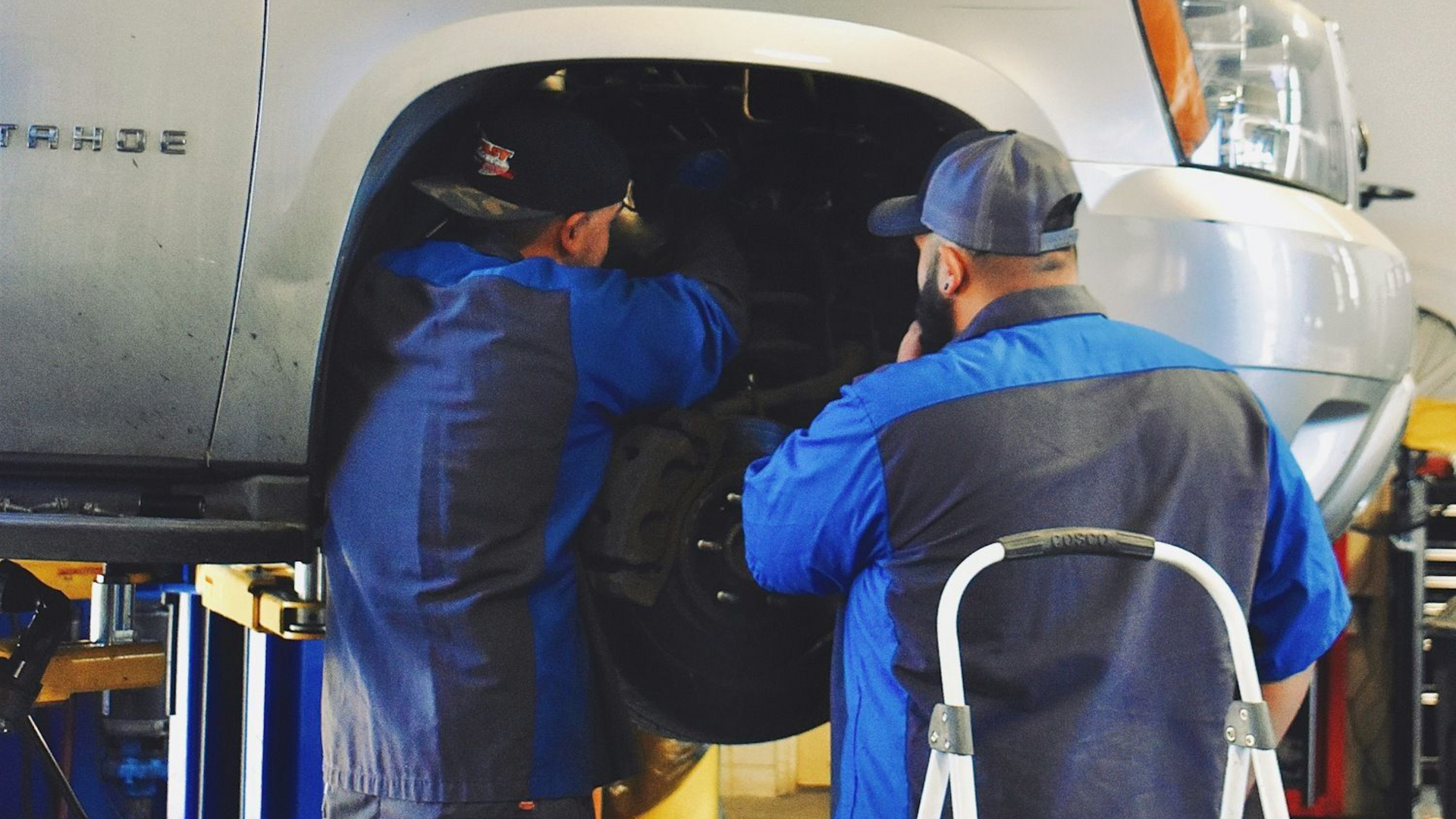
At DMC Automotive Repair, we test fluid condition before recommending a flush. Over the years, we have seen vehicles arrive at the two-year mark with fluid that still tests within acceptable moisture thresholds, and we have seen others come in well before that interval with fluid that is clearly degraded. The recommendation comes from what the test shows, not from a service calendar. After 18 years serving Ventura drivers, that consistency is how we have earned the trust we have built here.
Our shop is an
AAA Approved Auto Repair facility, and our technicians hold ASE certifications. California's Bureau of Automotive Repair also maintains a public license lookup at
bar.ca.gov for anyone who wants to confirm a shop's standing before bringing in their vehicle.
If you want to know the condition of your brake fluid, or if you are due for any brake service, visit our
brake repair and service page to book an appointment. We will test the fluid, inspect the full system, and give you an honest picture of what your vehicle needs.
Frequently Asked Questions
How often should brake fluid be flushed?
Most manufacturers recommend every two years or 30,000 miles. It is worth noting that DOT 4 fluid absorbs moisture faster than DOT 3 and may warrant a shorter interval on vehicles that specify it. Check your owner's manual for your specific vehicle. Fluid condition testing can also confirm whether the service is due before the scheduled interval arrives, which is more accurate than relying on mileage or time alone.
How can I tell if my brake fluid needs to be replaced?
Dark brown or black discoloration, a spongy pedal feel without a visible leak, and a service interval that has already passed are the main indicators. A technician can also test moisture content directly using a calibrated refractometer or electronic tester, which provides a precise reading rather than a visual estimate. Fluid that looks clear but has sat in the system for two or more years may still test high for moisture, which is why testing matters more than color alone.
Is a brake fluid flush the same as topping off the reservoir?
No. Topping off adds fresh fluid on top of old, contaminated fluid and does nothing about the degraded fluid sitting throughout the brake lines and calipers. A flush replaces all of the fluid in the system and restores the full boiling point threshold the manufacturer designed the system around. Topping off addresses low fluid level but not fluid condition.
Wondering if your brake fluid is due for a change? Bring your vehicle to DMC Automotive Repair in Ventura and we will test it and give you a straightforward answer. Call
(805) 652-2221 or book your appointment online.
Our Location
DMC Automotive Repair
Address:
2325 E Thompson Blvd, Ventura, CA 93003
Phone Number:
(805) 652-2221
Hours: Monday–Friday, 7:00 AM – 6:00 PM