TLDR
- Brake rotors warp mainly from excessive heat buildup, rapid cooling after heavy braking, and operating on rotors worn too thin.
- The most noticeable symptom is a pulsing or shuddering feeling through the brake pedal, especially at highway speeds.
- Replacement is usually the most reliable fix since resurfacing leaves the rotor thinner and more vulnerable to future heat damage.
If you have ever pressed your brake pedal and felt a pulsing or shuddering sensation, you have likely experienced warped rotors firsthand. It is one of the more common brake complaints we hear from drivers in Ventura, and understanding what actually causes rotors to warp can help you prevent it from happening again.
What Does a Warped Rotor Mean
A brake rotor is a metal disc that spins with your wheel. When you press the brake pedal, the calipers squeeze the brake pads against the rotor to create friction and slow the vehicle. For this to work properly, the rotor surface needs to be smooth and even across its entire face.
When a rotor warps, its surface is no longer perfectly flat. Even a small variation, sometimes less than a tenth of a millimeter, can produce a noticeable pulsing feeling through the pedal and sometimes through the steering wheel as well.
The Most Common Causes of Rotor Warping
Excessive Heat
Heat is the primary factor. When you brake, friction generates heat. Under normal driving conditions, rotors are engineered to handle that heat effectively. But during heavy braking, such as long descents, repeated hard stops, or towing, heat can build up faster than the rotor can dissipate it, leading to distortion.
This is a recognized engineering problem.
SAE International standard J2928 establishes laboratory testing criteria specifically for brake rotor thermal cracking under high-energy brake applications, formally defining the conditions under which thermal stress causes rotor failure. Rotors that are undersized, low quality, or already worn thin are especially susceptible to this failure mode.
Rapid Cooling After Heavy Braking
After heavy braking, some drivers immediately drive through a puddle or park on a wet surface. The rapid temperature change from extreme heat to cold can cause uneven contraction in the rotor metal, which contributes to warping over time.
Driving on Thin Rotors
Rotors have a minimum thickness specification set by the manufacturer. When rotors wear below that spec, they have less mass to absorb heat, making them significantly more vulnerable to distortion. This is one reason we measure rotor thickness during every brake inspection. A rotor that is too thin is much more susceptible to warping.
Uneven Brake Pad Deposits
Sometimes what drivers describe as a warped rotor is actually uneven pad material deposited on the rotor surface. When brake pads get extremely hot and then remain pressed against the rotor while the vehicle is parked, they can leave behind an uneven film of pad material. This creates a high spot that causes the same pulsing sensation as warping.
Over-Torqued Lug Nuts
This one surprises many drivers. Lug nuts tightened unevenly or beyond specification can distort the rotor where it contacts the wheel hub. Over time this stress contributes to rotor runout, which behaves the same way as warping and produces the same pedal pulsation.
What to Do About Warped Rotors
In our 18 years serving drivers throughout Ventura, East Ventura, Montalvo, and Saticoy, the resurfacing-versus-replacement conversation comes up almost every week. Our consistent position is straightforward: if a rotor is warped and already approaching minimum thickness, resurfacing only delays the inevitable while leaving the driver with a thinner rotor that heats up faster and is more vulnerable to the same distortion. We have seen too many resurfaced rotors return within a few months for the full replacement we recommended the first time. The longer-term cost of resurfacing an at-limit rotor is almost always higher than doing it right once.
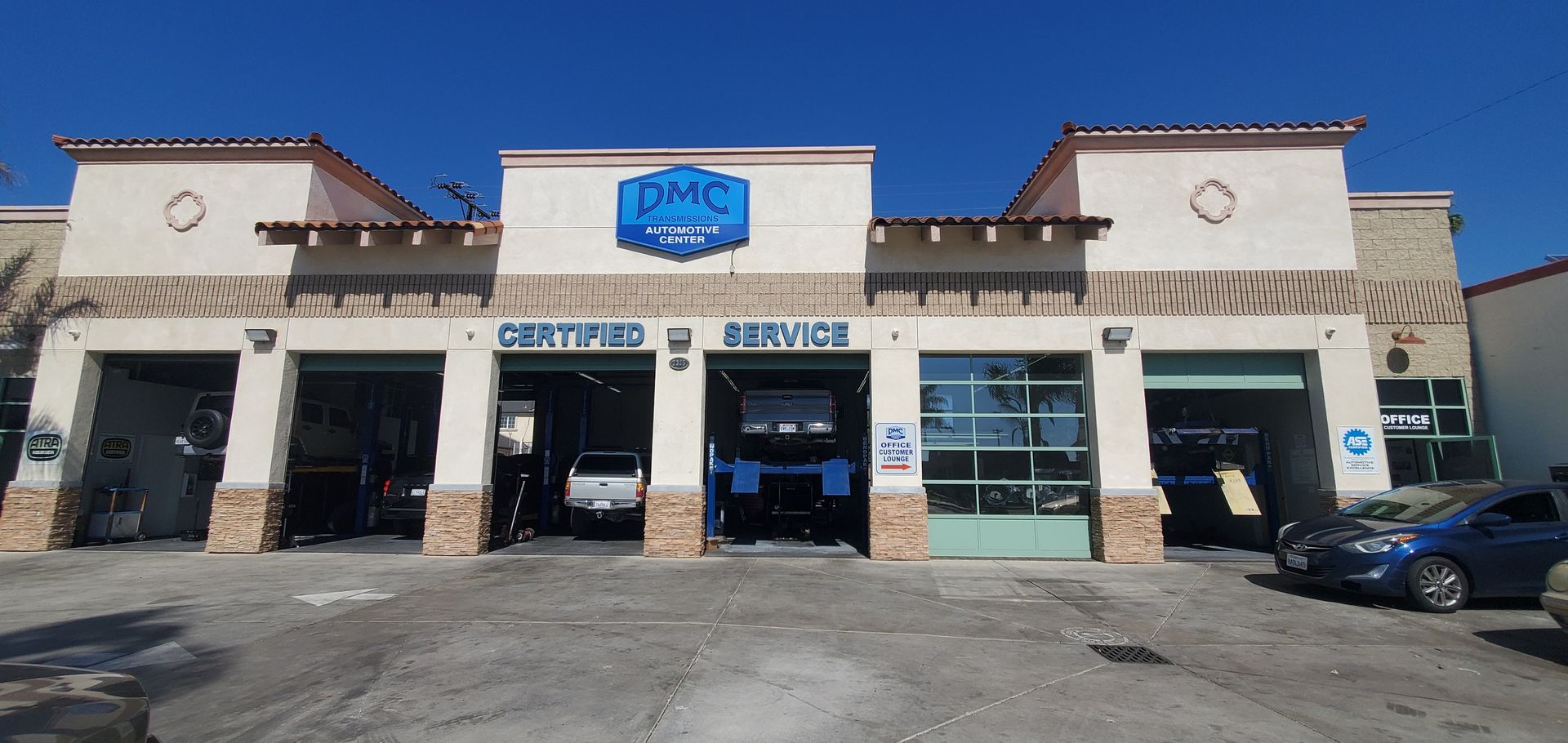
Our ASE-certified technicians can measure your rotors, assess whether resurfacing is a viable option, and replace them if needed. All brake work is covered by our 3-year/36,000-mile warranty.
While we address rotors, we also check brake fluid condition, since moisture-contaminated fluid lowers the boiling point of the system and contributes to the heat stress that accelerates rotor wear. If you are unsure whether your fluid is due for a change, our guide on brake fluid flushes explains the service and how to tell when it is actually necessary.
If you are feeling a pulsing pedal or vibration when you stop, give us a call at
(805) 652-2221 or stop by 2325 E Thompson Blvd in Ventura. You can also learn more on our
brake repair and rotor service page.
FAQs
Can I still drive with warped rotors?
Warped rotors reduce braking effectiveness. Stopping distances increase and the problem typically worsens over time as the thermal stress accumulates. We recommend having them inspected as soon as possible to understand how severe the warping is and whether driving the vehicle is safe given your specific situation.
How can I help prevent my rotors from warping?
Use engine braking on long descents to reduce heat buildup on your braking system, avoid driving through standing water immediately after heavy brake use, and replace rotors before they reach minimum thickness. Starting with quality rotors that have adequate mass for heat dissipation makes a meaningful difference from the beginning.
Do warped rotors mean I also need new brake pads?
Not always, but often yes. When rotors are replaced, new pads pair best with the fresh smooth surface. Old pads with wear patterns from a warped rotor may not seat properly against a flat new surface, which can lead to noise or inconsistent braking in the first weeks of use.
Our Location
DMC Automotive Repair
Address:
2325 E Thompson Blvd, Ventura, CA 93003
Phone Number:
(805) 652-2221
Hours: Monday-Friday, 7:00 AM - 6:00 PM