TLDR
- A professional diagnostic is a structured process, not a single scan, that begins with code retrieval and ends with verified root-cause identification
- California requires shops to provide a written estimate before beginning any diagnostic work that will incur a charge
- The goal is not just reading codes but understanding why those codes were set
The word "diagnostic" gets used loosely in auto repair. For some shops it means a quick scan with a code reader. For others it means a comprehensive evaluation of the systems involved and a confident answer about why the vehicle is behaving the way it is. Understanding the difference matters when you are deciding who to trust with your vehicle.
Step 1. Gathering Information
Every diagnostic starts with a conversation. When we take in a vehicle for a diagnostic evaluation, we want to know what the owner has observed: when the symptom started, whether it is constant or intermittent, whether it relates to specific driving conditions, and what the vehicle's recent service history includes.
The information a driver provides is genuinely useful. A check engine light that came on the same day a fuel tank was filled to the brim is a different diagnostic path from one that appeared during freeway driving with no obvious connection to what came before.
Step 2. Retrieving Stored and Pending Fault Codes
The scan tool connection is the next step. A professional-grade bidirectional scan tool reads current active codes, pending codes, and historical codes. It shows us freeze-frame data, the sensor readings the computer captured at the moment the fault was recorded. It also reads live data from dozens of sensors simultaneously: fuel trim, coolant temperature, throttle position, oxygen sensor output, MAF readings, and more.
A code is a starting point, not an answer. A P0171 lean condition code tells us the engine is running lean on bank one. It does not tell us whether that is from a vacuum leak, a failing fuel pump, a dirty MAF sensor, or a faulty oxygen sensor. The code directs our attention, and the component testing that follows confirms the cause.
California's Bureau of Automotive Repair
consumer guide requires that all repair shops provide a written estimate before beginning work and clearly itemize all charges, including diagnostic time. Before we proceed with any billable diagnostic work, we explain what we are doing, what it will cost, and what we expect to find.
Step 3. Visual Inspection
A scan tool cannot see physical damage. After the scan, we perform a visual inspection of the components most likely related to the fault codes. A vacuum line that has cracked or separated, a wiring harness with chafe damage, a sensor with a loose connector, these are conditions the scanner detects as anomalies but cannot locate. Eyes and hands find them.
Step 4. Component Testing
Once we have narrowed the field, we test the components most likely responsible. A bidirectional scan tool allows us to command components to activate and measure their response, we can fire an injector, command a solenoid, or cycle an EGR valve and see whether it performs within spec. A multimeter and oscilloscope confirm electrical signals. Fuel pressure test confirms pump output.
In our 18 years serving Ventura drivers, the most common diagnostic mistake we have seen at other shops is replacing the component the code points to rather than testing whether that component actually failed. A P0300 random misfire code does not mean the coils or plugs need replacement, it means the combustion event failed. Testing determines what caused it.
Step 5. Road Test
For complaints that involve driveability, hesitation, rough idle, intermittent stall, we road test the vehicle while connected to the scan tool, monitoring live sensor data under the exact driving conditions the owner described. This is the only way to reliably catch faults that only appear under load, during warm-up, or at specific speeds.
If you need a
diagnostic evaluation in Ventura, our team will walk you through our findings before recommending any repair.
FAQs
Do I need to pay a diagnostic fee even if nothing is found?
In most cases, yes. Diagnostic time is skilled labor. Whether a fault is confirmed or not, the technician's time and the use of diagnostic equipment have value. A reputable shop will explain the diagnostic fee upfront and apply it toward the repair when one is needed.
Can a diagnostic test find every problem with my car?
A diagnostic test identifies faults the vehicle's computer systems have detected and recorded, as well as conditions revealed by visual inspection and component testing. It does not predict future failures or identify every mechanical issue; a worn tie rod end, for example, will not generate a fault code. It will, however, surface any active or pending conditions the computer has flagged.
What happens after the diagnostic is complete?
We provide a written explanation of our findings and our repair recommendations. You can review them, ask questions, and decide how to proceed. No work is started without your authorization.
Our Location
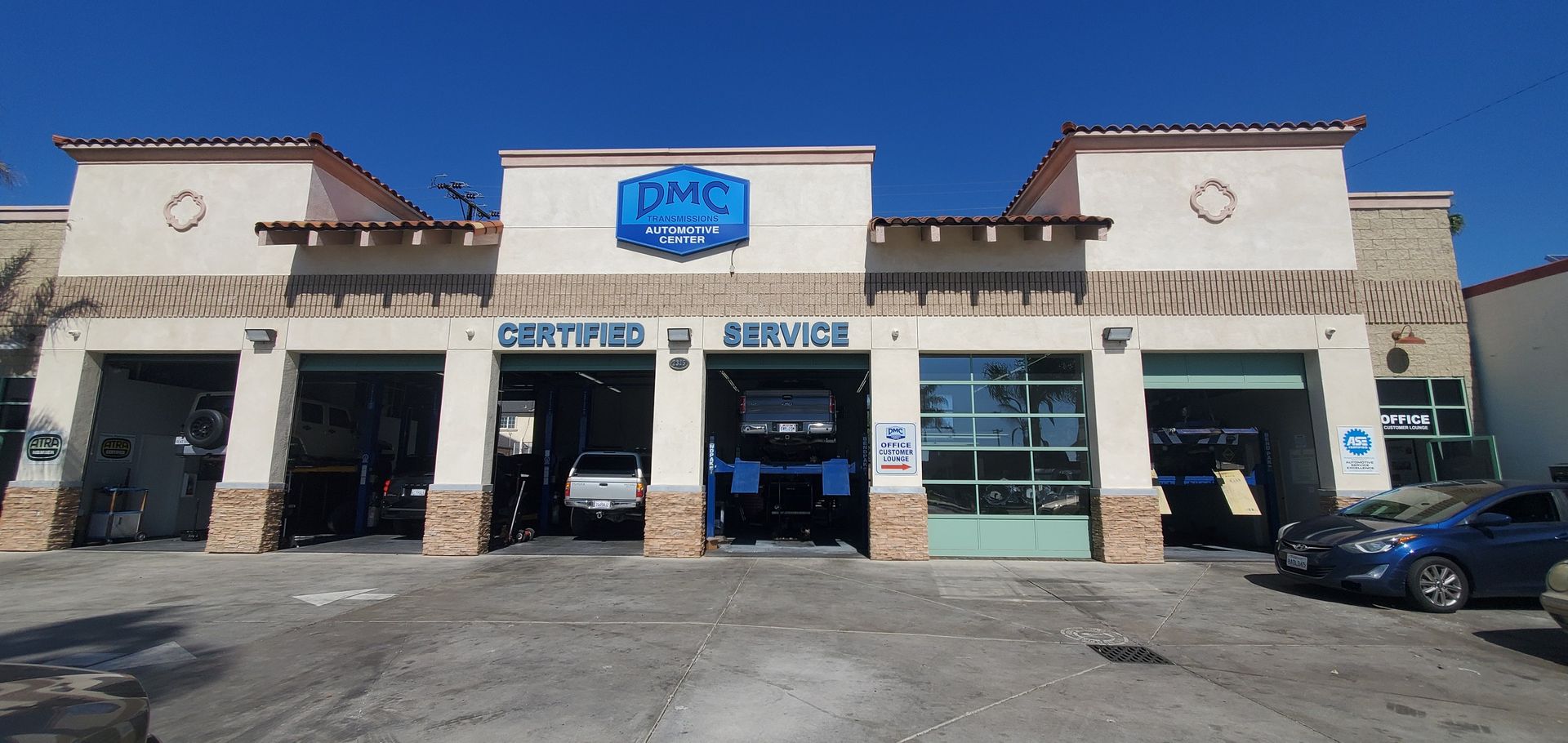
DMC Automotive Repair
Address:
2325 E Thompson Blvd, Ventura, CA 93003
Phone Number:
(805) 652-2221
Hours: Monday-Friday, 7:00 AM - 6:00 PM