Think about the last time you drove up a steep hill. If you drive a modern vehicle, you may have noticed that your transmission seemed to "know" the hill was coming before you even touched the gas pedal. This is not a coincidence and it is not magic. It is the result of a rapidly evolving technology known as predictive shifting, and it is quietly transforming the way your gearbox operates every single time you get behind the wheel.
For decades, automatic transmissions relied on two basic inputs to decide when to change gears: vehicle speed and throttle position. If you pressed the gas harder, the transmission downshifted. If you eased off, it upshifted. This system worked well enough for most situations but it was entirely reactive. The transmission could only respond to what was already happening rather than preparing for what was about to happen.
What is Predictive Shifting?
Predictive shifting is a technology that allows your transmission control module to make gear decisions based on information it receives before the driving condition actually occurs. Instead of waiting for the engine to bog down on a climb, the system anticipates the change in terrain and selects the optimal gear in advance.
This technology relies on two primary data sources working together in real time.
GPS Mapping Data
Modern vehicles with predictive shifting are connected to detailed topographical maps through their built-in navigation systems. As the vehicle travels, the transmission control module receives constant updates about the road ahead. If the map data shows a significant grade change in the next half mile, the system will begin preparing the gearbox for the increased load long before the front tires reach the slope.
This means the engine is already in the correct power band when you need it most, resulting in a smoother climb, better fuel economy, and less heat stress on the transmission clutch packs.
Artificial Intelligence and Machine Learning
GPS data alone is only part of the equation. The real sophistication comes from the AI layer that sits on top of the mapping information. These systems use machine learning algorithms that study your individual driving habits over time.
The AI tracks how you typically accelerate onto the freeway, how aggressively you brake before corners, and what routes you drive most frequently. Over hundreds of trips the system builds a behavioral profile that allows it to make increasingly accurate predictions about what gear will be needed next. In practical terms this means a vehicle driven primarily in the hills of Ventura County will eventually develop a shifting strategy that is uniquely tailored to that specific terrain and driver.
Real World Applications in Modern Vehicles
This technology is no longer exclusive to high-end luxury brands. You can find versions of predictive shifting in a growing number of mainstream vehicles.
BMW's Predictive Efficiency Assistant
BMW has been at the forefront of this technology with their Predictive Efficiency Assistant system. Using navigation data and radar sensors, the system actively manages throttle, braking, and transmission gear selection to optimize fuel economy across varying terrain.
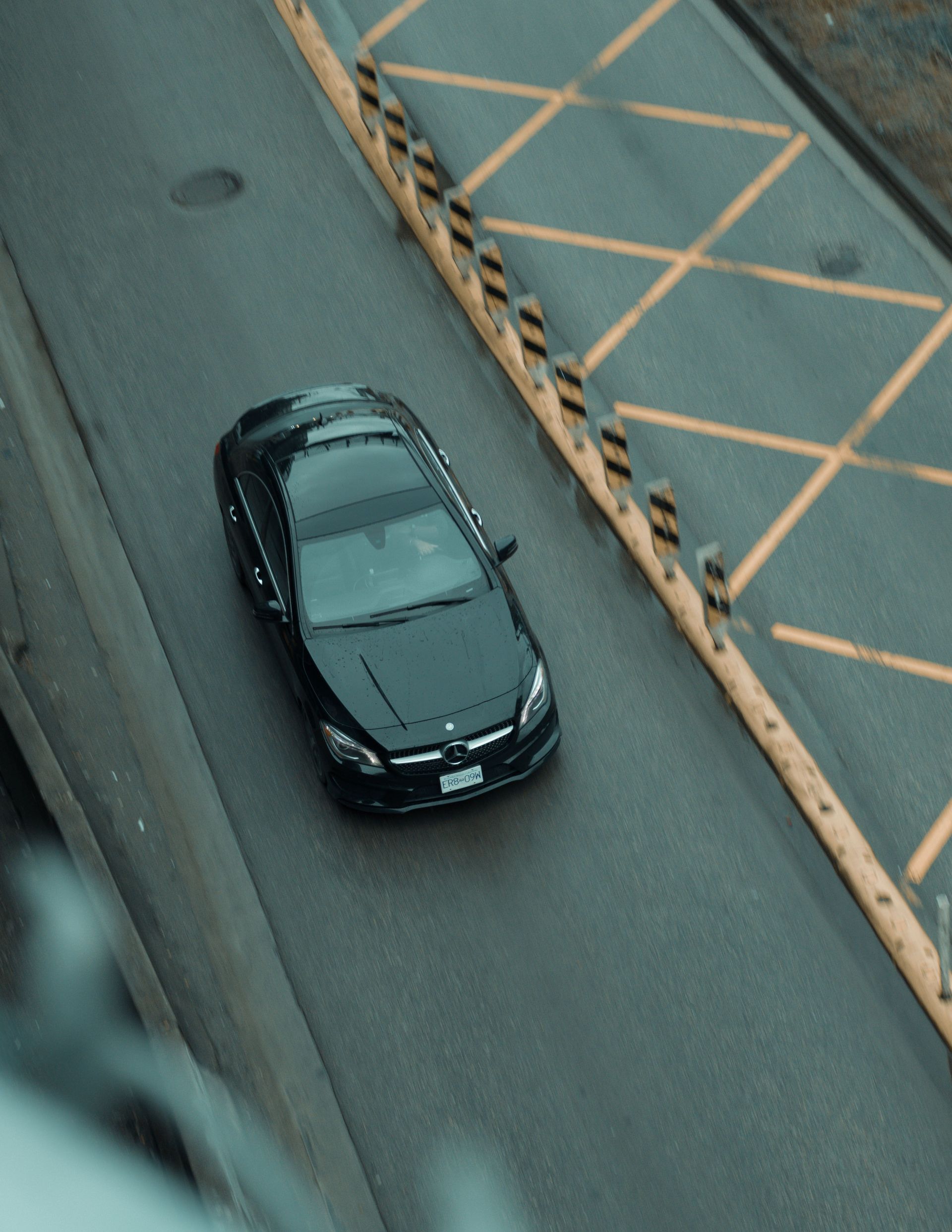
Mercedes-Benz Dynamic Select with Navigation
Mercedes integrates their 9G-TRONIC transmission with live navigation data to anticipate gear changes based on road curvature, elevation changes, and posted speed limits. The system can even detect when you are approaching a roundabout and select the appropriate gear before you arrive.
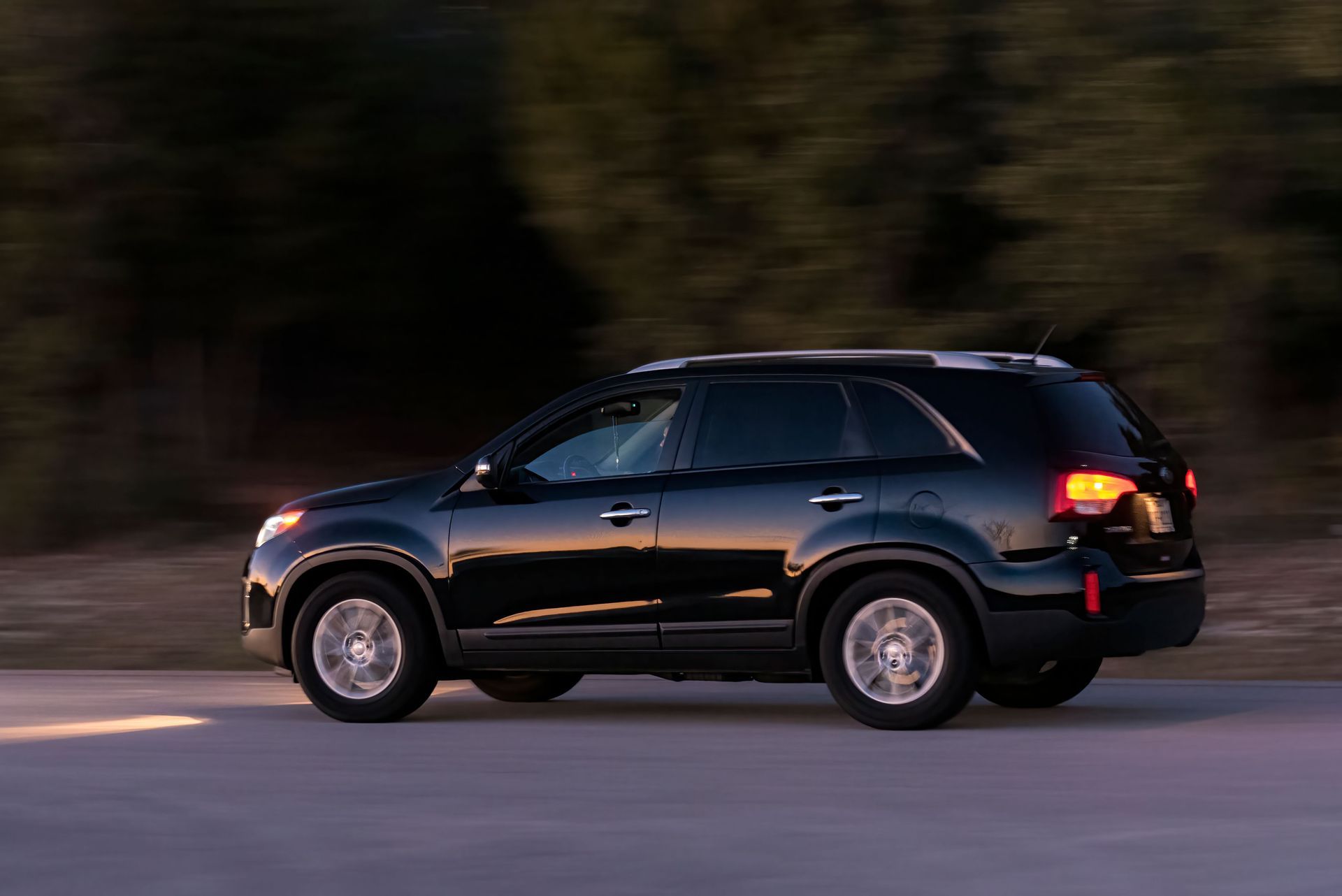
Hyundai and Kia Predictive Shift Control
Even more affordable vehicles from Hyundai and Kia now feature versions of this technology. Their predictive shift control monitors steering angle, road gradient sensors, and GPS data to improve shift timing in mountainous conditions.
What This Means for Maintenance in Ventura
While predictive shifting is genuinely impressive technology it introduces a new layer of complexity to an already sophisticated system. The transmission control module in these vehicles is no longer just a simple computer managing hydraulic pressure. It is a networked component that communicates with the navigation system, the engine control unit, and in some cases the cloud.
When something goes wrong with a predictive shifting system the diagnostic process requires specialized equipment and training. A fault in the GPS data feed, a software glitch in the AI module, or a simple sensor failure can cause confusing shifting behavior that a standard scan tool will not fully explain.
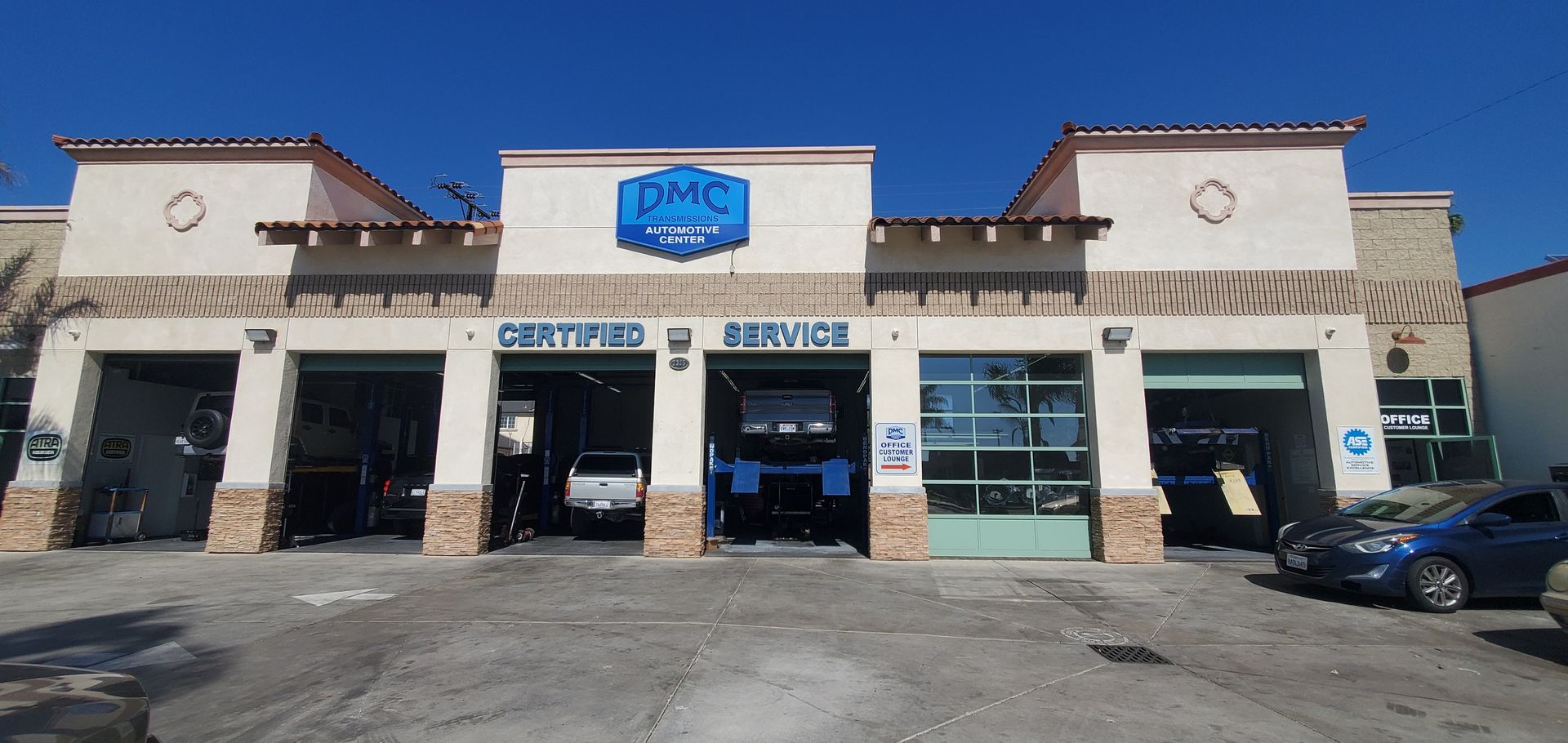
This is precisely why working with a transmission specialist who stays current with modern vehicle technology is so important. The days of diagnosing a transmission problem purely from the feel of the gear changes are fading. Today's technician needs to understand how software, sensors, and hardware interact to truly solve the problem.
If your modern vehicle is experiencing unusual shifting behavior or if you simply want to ensure that all the components connected to your gearbox are functioning correctly, our team is here to help. We are committed to staying ahead of the technology curve so that every driver in Ventura can count on expert care for their vehicle no matter how sophisticated it becomes.
Address: 2325 E Thompson Blvd, Ventura, CA 93003
Phone Number: (805) 652-2221
Hours: Monday-Friday: 8 AM - 5 PM