If you have looked at the window sticker of a new truck or SUV lately you probably noticed a high number next to the word transmission. For decades the four speed automatic was the industry standard. Eventually five and six speed units became common. Today we are seeing a massive surge in eight, nine, and even ten speed transmissions in everyday vehicles. While these gearboxes offer impressive performance on paper they come with a set of challenges that every vehicle owner should understand.
The push for more gears is not necessarily about giving you a better driving experience. Instead it is primarily driven by strict federal fuel economy standards. Manufacturers are under immense pressure to squeeze every possible mile out of a gallon of gas. A transmission with more gear ratios allows the engine to stay in its most efficient power band for a longer period of time. This results in better highway mileage and lower emissions which helps car brands meet their legal requirements.
The Complexity of the Ford and GM Joint Venture
One of the most prominent examples of this trend is the ten speed transmission developed through a collaboration between Ford and General Motors. You can find this unit in everything from the Ford F 150 and Mustang to the Chevy Silverado and Cadillac Escalade. By sharing the massive research and development costs these two giants were able to bring a highly advanced piece of technology to the mass market.
When these transmissions are working perfectly they are marvels of engineering. They provide incredibly smooth shifts and ensure that the engine always has the right amount of torque available. However this level of performance requires an incredible amount of internal complexity. Inside a ten speed gearbox there are more clutches, more planetary gear sets, and a much more complicated valve body than what you would find in an older vehicle.
More Parts Means More Potential Failures
From a mechanical perspective every additional component represents a potential point of failure. Modern ten speed units use very small parts with extremely tight tolerances. This means that even a tiny amount of metal debris or fluid degradation can cause a major malfunction. While an old four speed transmission might continue to function with slightly dirty fluid a ten speed unit will likely start showing symptoms immediately.
We often see these modern transmissions struggle with heat buildup. Because there are so many moving parts packed into a relatively small housing the internal temperatures can spike during heavy towing or stop and go traffic. Excessive heat is the primary enemy of transmission longevity and it is a significant concern for these high gear count units.
Constant Shifting and Software Struggles
Another common issue with eight and ten speed transmissions is known as gear hunting. Because the computer has so many options to choose from it may shift back and forth constantly to find the most efficient ratio. This frequent shifting increases the wear and tear on the internal clutches. It can also lead to a confusing driving experience where the car feels like it is hesitating or struggling to decide which gear is appropriate for the current speed.
The software required to manage these shifts is incredibly dense. Many of the problems drivers report are actually related to programming rather than mechanical breakage. However when the software and the hardware are not perfectly synchronized it leads to hard shifts and accelerated wear on the steel components inside the case.
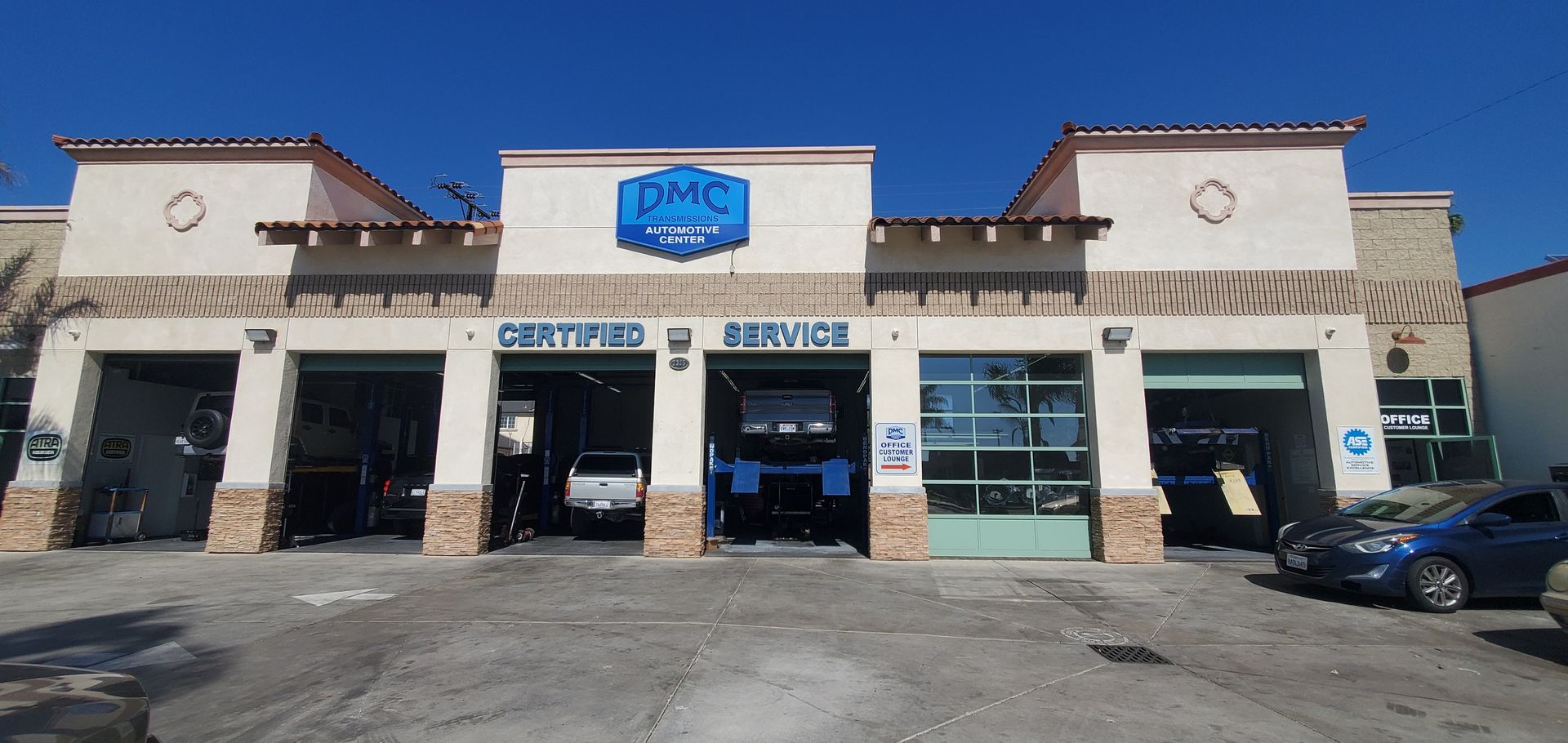
Protecting Your Modern Transmission in Ventura
If you own a vehicle with a high gear count transmission you must be proactive about maintenance. You cannot rely on the factory service intervals if you want the unit to last beyond the warranty period. The complexity of these systems makes regular fluid exchanges more important than ever before. Fresh fluid helps manage the high heat levels and ensures that the sensitive electronic solenoids can move freely.
Driving in Ventura presents unique challenges like the steep grades on our local highways and the heavy traffic on the 101. These conditions put extra stress on a ten speed transmission. We recommend having your fluid inspected every thirty thousand miles to check for signs of burning or contamination. Catching a small issue early is the only way to avoid the massive bill that comes with replacing one of these advanced units.
Modern transmissions are designed for efficiency first and longevity second. By understanding this trade off you can take the necessary steps to protect your investment. Our team is trained to handle the specific needs of these complex gearboxes and we are here to help you keep your vehicle on the road for years to come.
Address: 2325 E Thompson Blvd, Ventura, CA 93003
Phone Number: (805) 652-2221
Hours: Monday-Friday: 8 AM - 5 PM