TLDR
- OBD-II is the standardized onboard diagnostic system required on all gasoline-powered light-duty vehicles sold in the US from model year 1996 onward
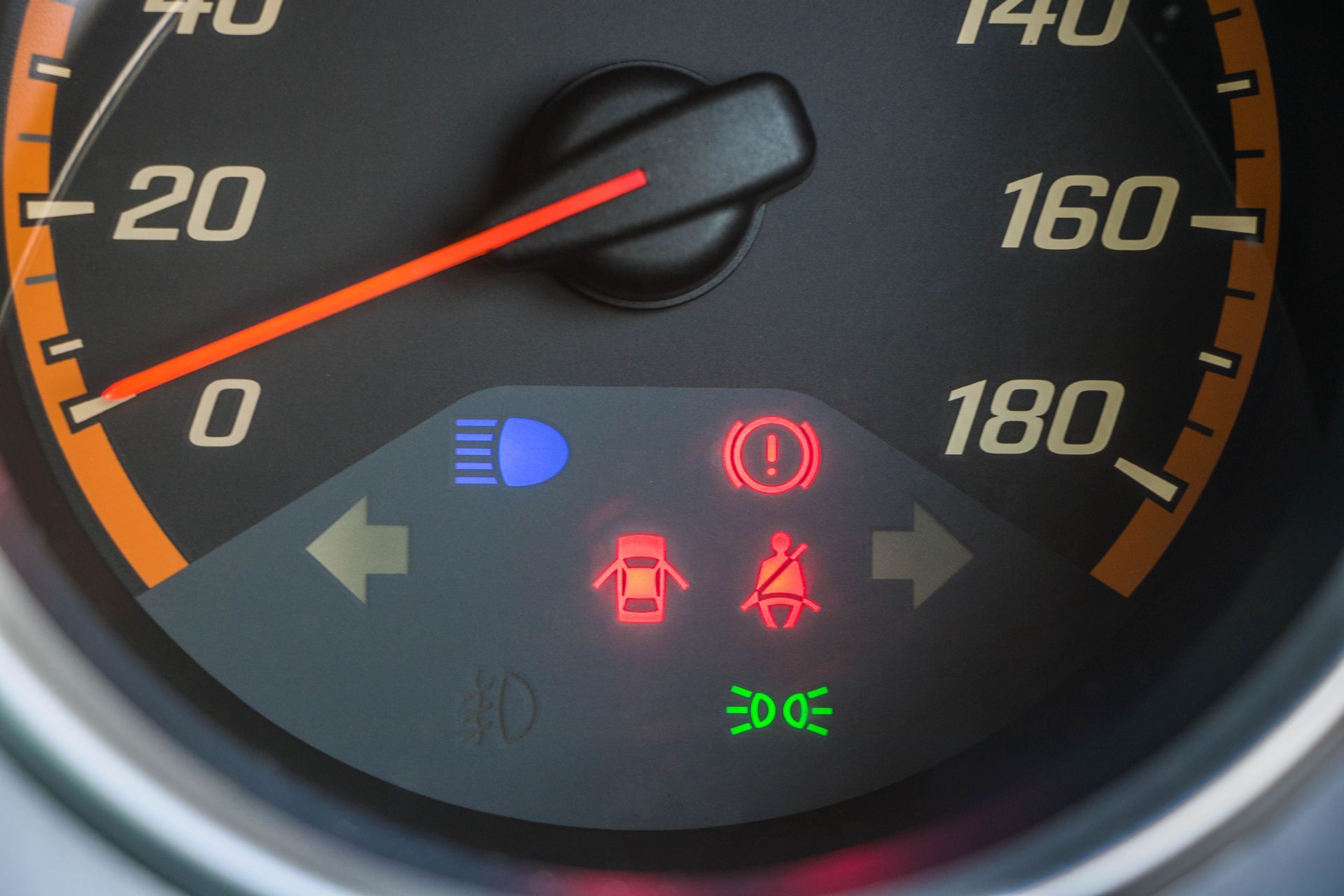
- The system monitors emissions-related components continuously and alerts the driver through the malfunction indicator light when a fault is detected
- OBD-II was mandated to give regulators, technicians, and consumers a common language for vehicle diagnostics across all manufacturers
Before 1996, every automaker had its own diagnostic system with its own codes, its own connector, and its own scan tool. A technician who worked on Fords one day and Toyotas the next needed completely different equipment for each. Shops that couldn't afford OEM diagnostic tools for every brand were at a significant disadvantage. Regulators trying to verify emissions compliance across millions of vehicles had no standardized way to do it.
The federal OBD-II mandate changed that for every vehicle sold in the United States after model year 1996.
Why the Standard Exists
The 1990 amendments to the Clean Air Act instructed the EPA to develop rules for standardized onboard diagnostics on all new passenger vehicles. California, through the California Air Resources Board, had already been driving toward a standardized OBD system and issued its own OBD II specification for all vehicles sold in California starting in 1994. The federal standard followed, aligning with California's requirements and extending them to every state.
The EPA's
final rule harmonizing federal OBD with California's OBD II requirements requires OBD systems to evaluate the entire emission control system, including evaporative emission controls, and mandates that emission thresholds that trigger the malfunction indicator light align with California standards.
The result: every light-duty vehicle and light truck sold in the US from model year 1996 onward uses a standardized 16-pin diagnostic connector, a standardized set of trouble codes, and a standardized communication protocol that any scan tool can read.
What OBD-II Actually Monitors
The OBD-II system monitors the components and systems that most directly affect emissions output. The main systems under continuous watch are the catalytic converter (efficiency), oxygen sensors (upstream and downstream), engine misfires (by cylinder), the evaporative emission control system (fuel vapor recovery), the fuel delivery system, the EGR (exhaust gas recirculation) system, the secondary air injection system, and the fuel cap seal.
For each of these, the ECM has specific acceptable performance thresholds and fault thresholds. When a component's readings drift outside the acceptable range on more than one consecutive drive cycle, the system stores a fault code and illuminates the malfunction indicator light.
What It Does Not Monitor
OBD-II monitors emissions-related systems. It does not monitor your suspension, your wheel bearings, your brakes, your steering components, or your transmission fluid condition. Mechanical wear in these systems does not generate a trouble code. They may produce other symptoms, vibration, noise, pulling, that bring a driver to a shop, but the check engine light will not warn you about them.
In our
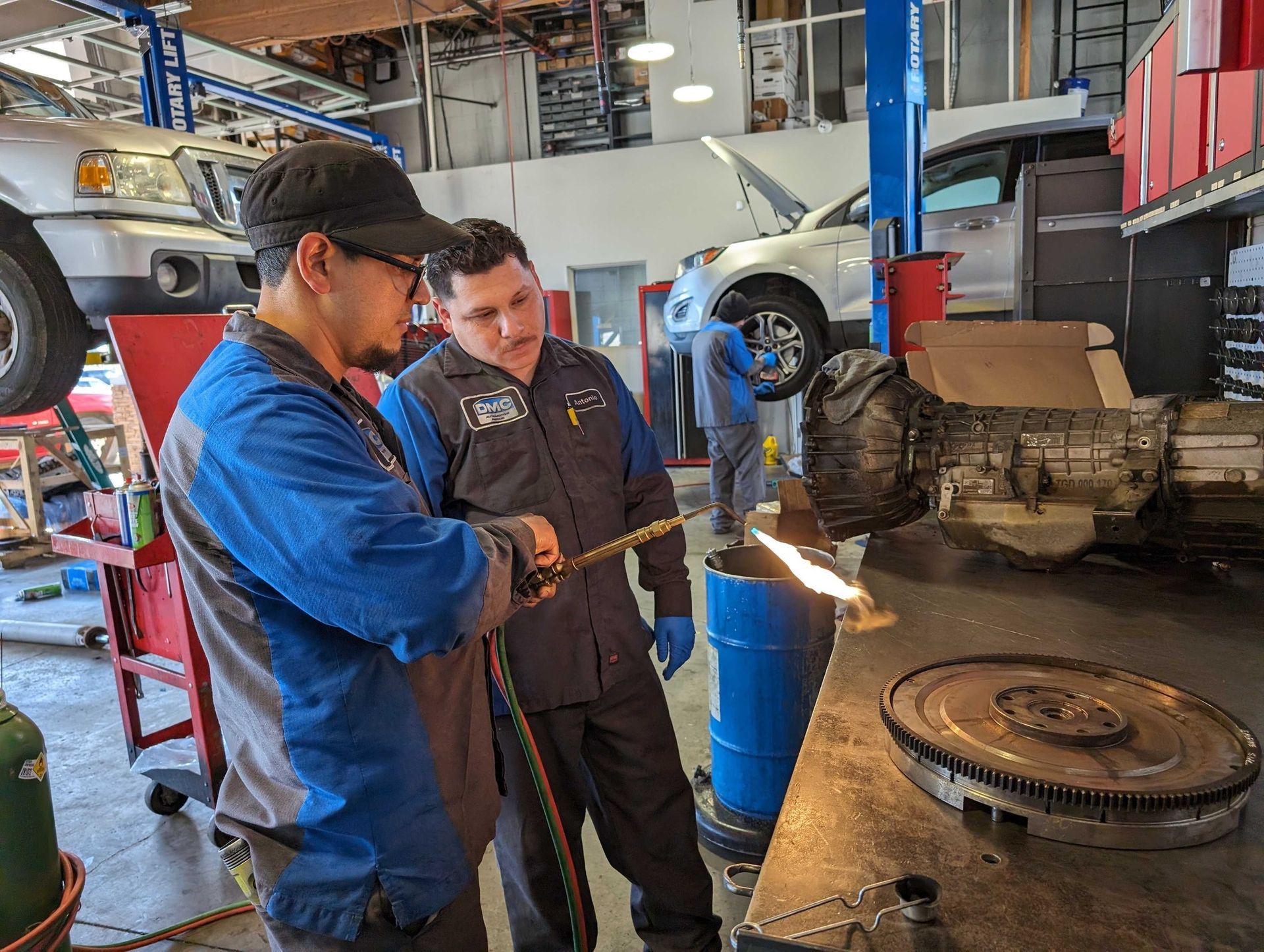
18 years diagnosing vehicles in Ventura, we regularly see drivers who assume a quiet dashboard means a healthy vehicle. OBD-II is specifically designed around emissions performance, and a vehicle can have significant mechanical wear without generating a single code.
The Scan Tool Connection
Because OBD-II uses a universal connector and communication standard, a technician with a professional scan tool can read any OBD-II vehicle. The scan tool reads not only stored fault codes but also live sensor data, real-time output from all the monitors. This live data is often more informative than the codes themselves, because it shows how systems are behaving as the engine runs rather than just flagging when they've already crossed a fault threshold.
FAQs
Does OBD-II work on all vehicles regardless of make or model?
Yes, for all gasoline-powered light-duty vehicles sold in the US from model year 1996 onward. Some older vehicles and certain heavy-duty trucks use different diagnostic systems. Diesel vehicles came under OBD requirements later, with full heavy-duty coverage arriving in stages through the 2000s and 2010s.
Can any scan tool read any OBD-II vehicle?
The basic code reading functions, retrieving stored fault codes, work on any OBD-II vehicle with a standard scan tool. For advanced functions like bidirectional control (commanding components to activate), live data from manufacturer-specific modules, and programming functions, a professional scan tool with OEM-level or enhanced software is typically needed.
Does my car have OBD-II if it was made before 1996?
Some 1994 and 1995 model year vehicles were voluntarily equipped with OBD-II systems by their manufacturers. Before 1994, vehicles used OBD-I, which was manufacturer-specific and not standardized. If your vehicle predates 1996, a technician can tell you which system it uses.
Our Location
DMC Automotive Repair
Address:
2325 E Thompson Blvd, Ventura, CA 93003
Phone Number:
(805) 652-2221
Hours: Monday-Friday, 7:00 AM - 6:00 PM