If you have ever winced at a high pitched sound when slowing at a red light, you have probably asked yourself why do my brakes squeal. It is one of the most common questions we hear at DMC Automotive Repair, and for good reason. That noise can mean anything from harmless dust to worn pads that need prompt service. After more than 18 years serving drivers across Ventura, we have learned that understanding the cause is the key to knowing whether you can relax or whether it is time to book an inspection.
Why Brakes Squeal in the First Place
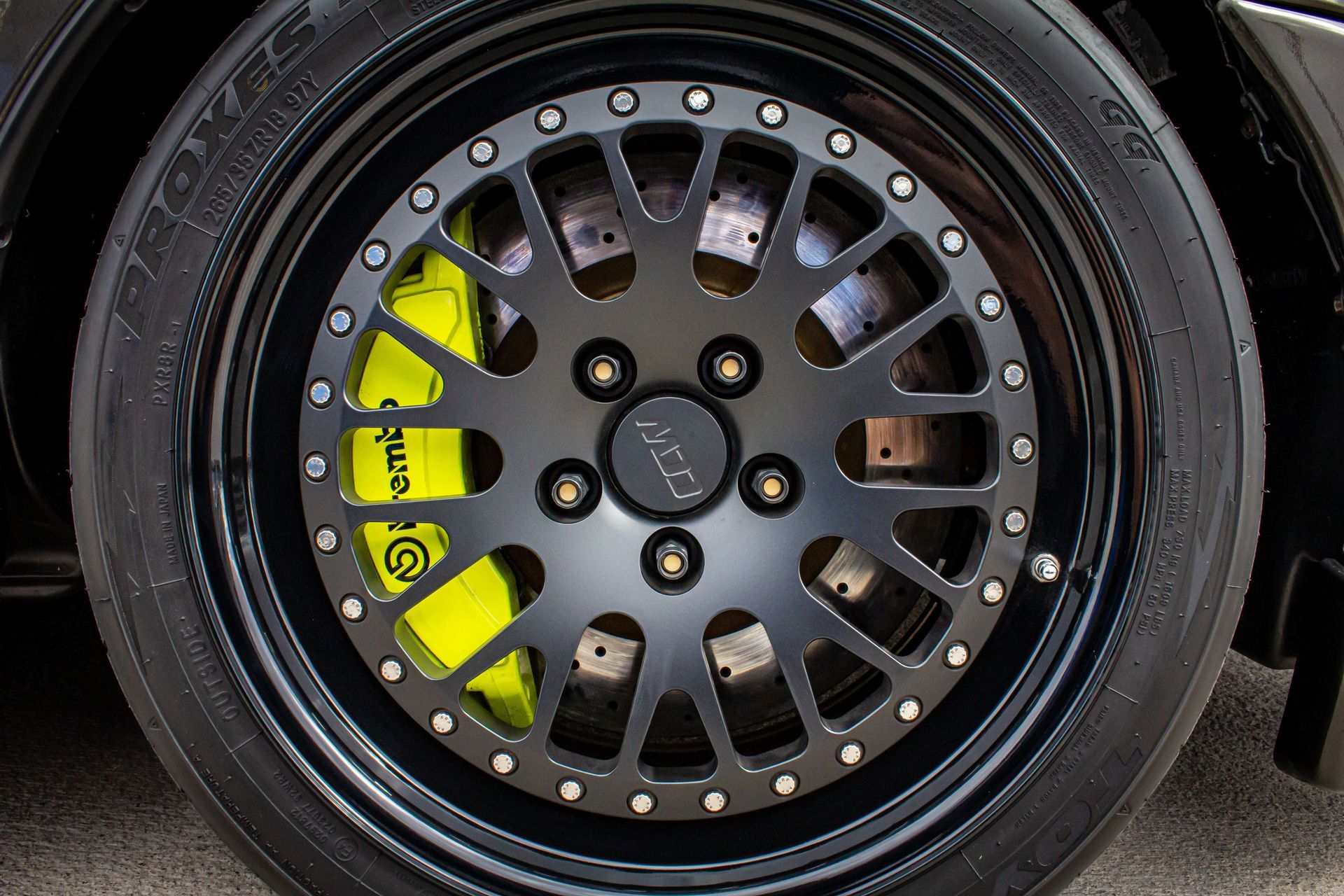
Brake squeal is caused by vibration. When your brake pads press against the rotors, tiny vibrations can produce sound, much like a finger running across glass. Some squealing is completely normal, while other times it is your car signaling real wear. According to NHTSA's National Motor Vehicle Crash Causation Survey, brake-related problems are the most frequently identified vehicle factor in crashes attributed to mechanical failure, which is why treating persistent brake noise as a warning signal matters. The challenge for most drivers is telling harmless squeal apart from a real warning, and that is where a little knowledge goes a long way.
Common Reasons Your Brakes Squeal
Several everyday situations can make brakes squeal without meaning trouble.
Morning moisture is a big one, and we see this consistently with customers across our area. Cars parked overnight near the coast, from the Ventura Keys to the Pierpont area, collect a thin layer of dew or surface rust on the rotors. We have found that the first few stops of the day may squeal until that light film wears off, and most drivers are surprised to learn this is completely normal. Dust and debris caught between the pad and rotor can do the same thing.
Cold weather and brief, light braking can also produce a temporary squeal. In these cases the sound usually fades within a few minutes of normal driving.
When Squealing Means It Is Time for Service
Other causes are more serious. Most brake pads include a built in wear indicator, a small metal tab designed to squeal when the pad gets thin. This is an intentional warning that your pads are near the end of their life. If the squeal is constant and follows you on every stop, this is the most likely reason.
Glazed pads are another cause we encounter regularly, particularly with customers who travel the grades around the Ventura foothills. When pads overheat from sustained, heavy braking, the surface hardens and squeals against the rotor on every application. In our shop, we can identify glazing in seconds just from the appearance of the pad surface. Worn or low quality pads, missing anti rattle hardware, and a lack of lubricant on the contact points can all create noise as well.
The simplest rule is this. An occasional squeal that disappears as you drive is usually nothing to worry about. A persistent squeal, or any squeal that turns into grinding, means you should have your brakes inspected promptly.
The Difference Between Squealing and Grinding
It helps to know what you are hearing. Squealing is high pitched and often intermittent. Grinding is lower, harsher, and usually constant. Grinding typically means the pad material is gone and metal is contacting metal, which damages the rotors. If a squeal you have been ignoring turns into a grind, the repair just became larger and more urgent. If you are already hearing grinding rather than squealing, our guide on what grinding brakes mean and why you should not wait explains what is happening and why acting quickly matters.
The trade publication
Brake and Front End offers a thorough technical breakdown of how shop technicians differentiate between these noise types, and their
guide to diagnosing brake noise complaints is a useful reference for understanding what a proper inspection involves.
How We Track Down the Source
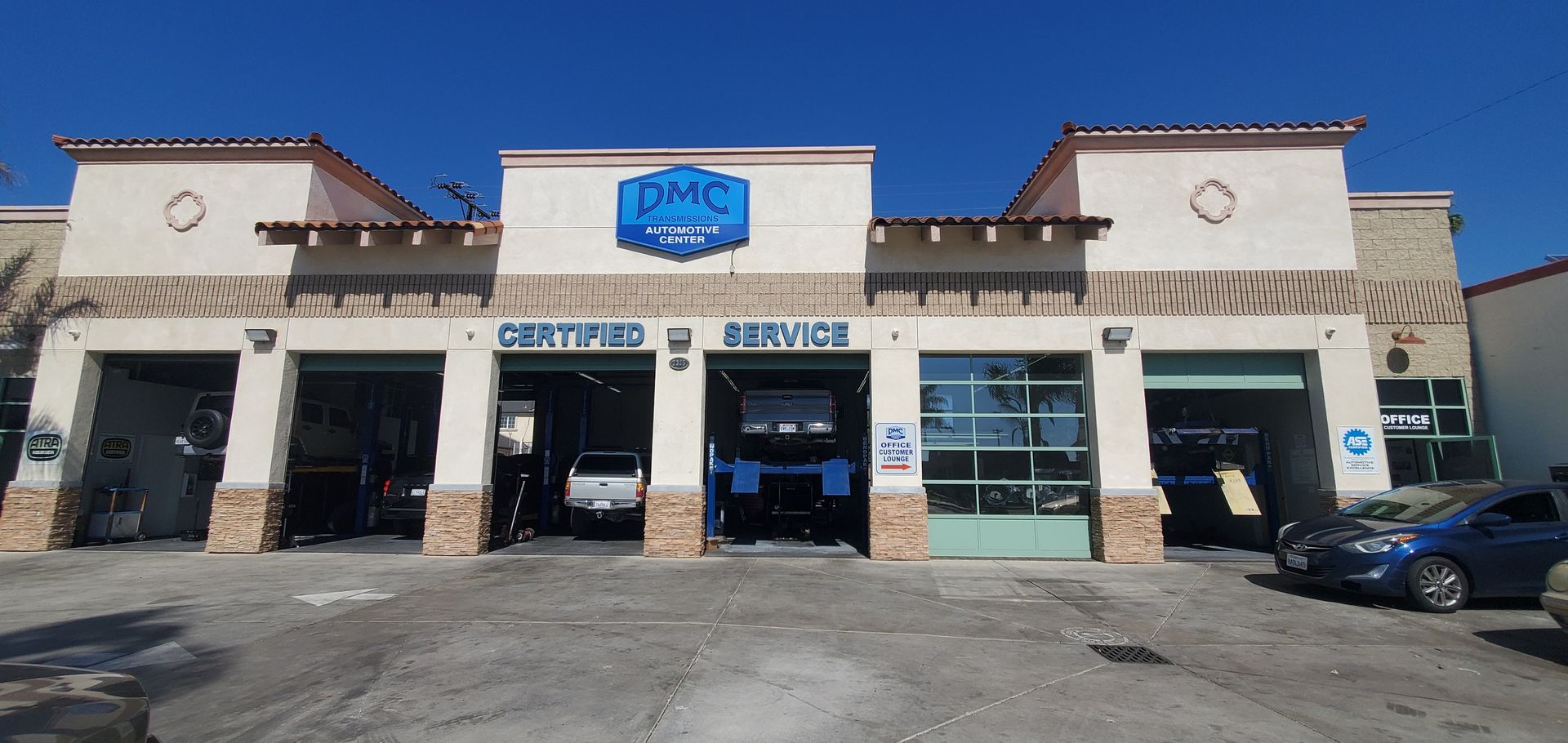
When a customer comes to our Ventura shop concerned about squealing, we remove the wheels and inspect the pads, rotors, and hardware directly. We measure pad thickness, look for glazing or uneven wear, and check that all the clips and lubricant are doing their job. Our technicians hold ASE certifications, and DMC Automotive is an AAA Approved Auto Repair facility.
FAQs
Is it safe to drive with squealing brakes?
It depends on how consistent the squeal is. An occasional squeal that disappears within the first few stops, especially on damp mornings, is usually harmless surface rust burning off. A squeal that follows every stop or has recently turned into a grinding sound is a signal to stop driving and have your brakes inspected. Grinding means metal is contacting metal, which can damage your rotors quickly and increase repair costs significantly.
How long can you drive on squealing brakes before they need to be replaced?
There is no fixed number of miles, because the squeal itself is a symptom, not a countdown. If the noise is coming from a wear indicator, your pads may have only a small amount of friction material remaining, and continuing to drive without inspection risks grinding the rotor. We recommend scheduling an inspection within a day or two of first noticing a persistent squeal, rather than waiting to see how long the pads last.
Why do my brakes squeal only in the morning?
Morning squealing is one of the most common and least serious causes of brake noise, especially in coastal areas like Ventura. Overnight moisture and sea air leave a thin layer of surface rust on the rotors. When you apply the brakes during your first few stops, the pads scrub that film away, which produces a brief squeal. If the noise disappears after a few normal stops and does not return throughout the day, you likely have nothing to worry about.
So why do your brakes squeal? It could be harmless moisture and dust, or it could be your pads telling you they are worn out. The safest approach is to pay attention to the pattern. If the noise is constant or getting worse, do not wait.
Let the experienced team at
DMC Automotive Repair take a listen. We will pinpoint the cause and make sure your Ventura drives stay quiet, smooth, and safe.
Our Location
DMC Automotive Repair
Address:
2325 E Thompson Blvd, Ventura, CA 93003
Phone:
(805) 652-2221
Hours: Monday–Friday, 7:00 AM – 6:00 PM