If your car pulls to one side when braking, it is more than a minor annoyance, it is a warning that something in your braking or steering system needs attention. A vehicle that veers left or right every time you slow down is harder to control and far more dangerous in an emergency stop.
At DMC Automotive Repair, we have helped Ventura drivers diagnose this exact problem for more than 18 years, and the good news is that the cause is almost always something a skilled technician can identify and fix. Here is what could be happening.
What It Means When Your Car Pulls to One Side
When you press the brake pedal, both sides of your vehicle are supposed to slow down evenly. A pull happens when one side grabs harder than the other, throwing off the balance. Sometimes the issue lives in the brakes themselves, and sometimes it points to tires, suspension, or alignment. Because the symptoms overlap, a proper diagnosis matters.
Common Brake Related Causes
Several braking faults can make your car pull to one side, and these are the ones we see most often in our Ventura shop.
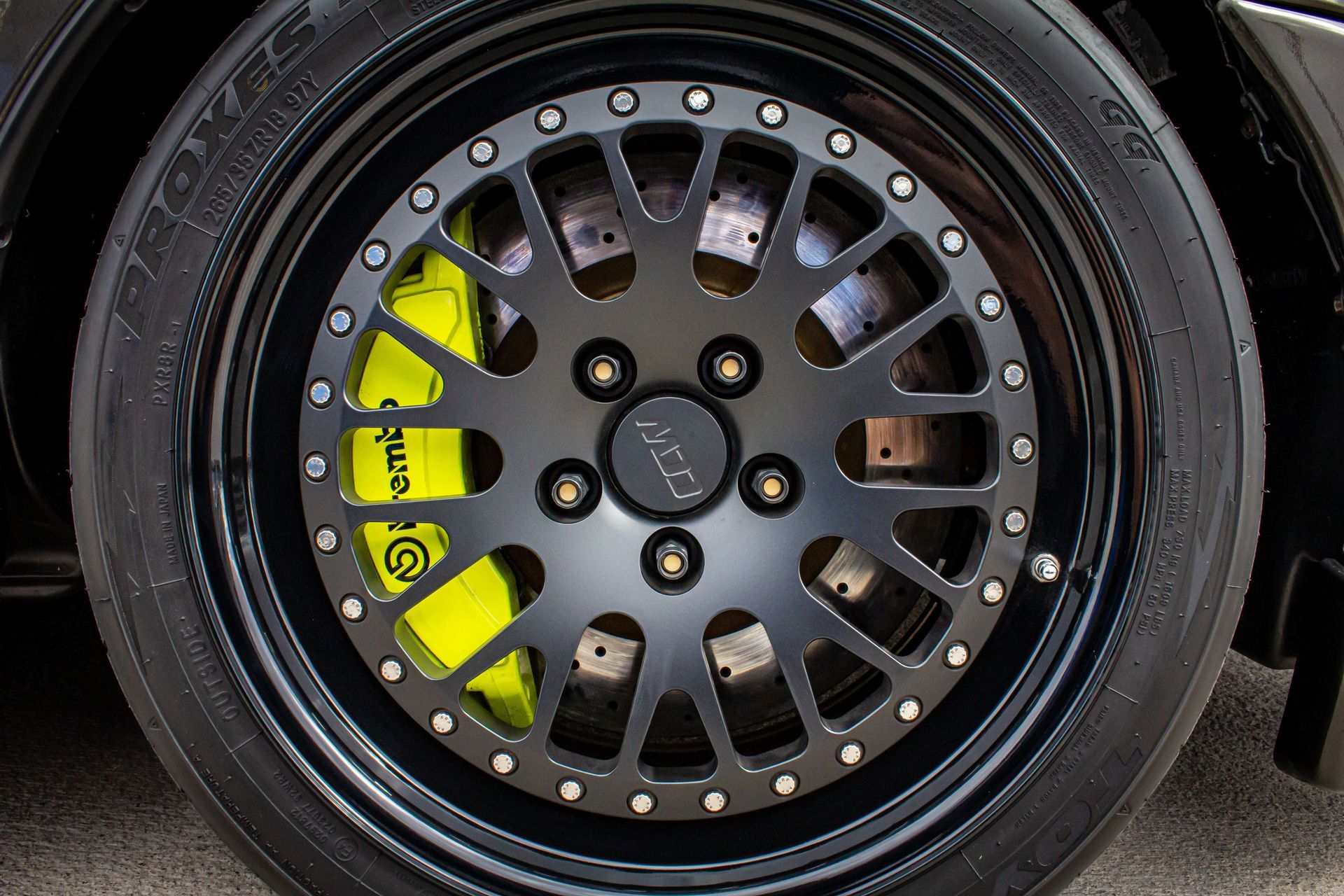
A stuck or seized caliper is a frequent culprit. When a caliper on one wheel fails to apply or release properly, that wheel brakes unevenly and the car tugs in that direction. In our shop, seized calipers account for most of the brake-pull jobs we handle, and they often show up with scorched pads on one side and a rotor that is noticeably darker than its counterpart, a heat signature that tells us immediately which corner is doing all the work. Uneven pad wear creates the same pulling effect, since a worn pad on one side cannot grip the rotor as firmly as a fresh one on the other.
A collapsed brake hose can also be to blame. When the inner lining of a hose breaks down, it can act like a one-way valve, holding pressure on one wheel and releasing the other. Contaminated brake fluid or a small leak on one side of the system can produce a pull as well.
Causes Beyond the Brakes
Not every pull comes from the brakes. Uneven tire pressure or mismatched tread can make a car wander, especially during braking. Worn suspension parts such as tie rods or control arm bushings allow the wheels to shift under load. Poor wheel alignment is another common cause, and it is worth noting that Ventura roads, with their mix of coastal routes and patched surfaces near the older neighborhoods, can knock a vehicle out of alignment over time.
This overlap is exactly why a guess at the auto parts counter is risky. The fix for a sticking caliper is very different from the fix for a bad alignment.
Why You Should Not Ignore a Pull
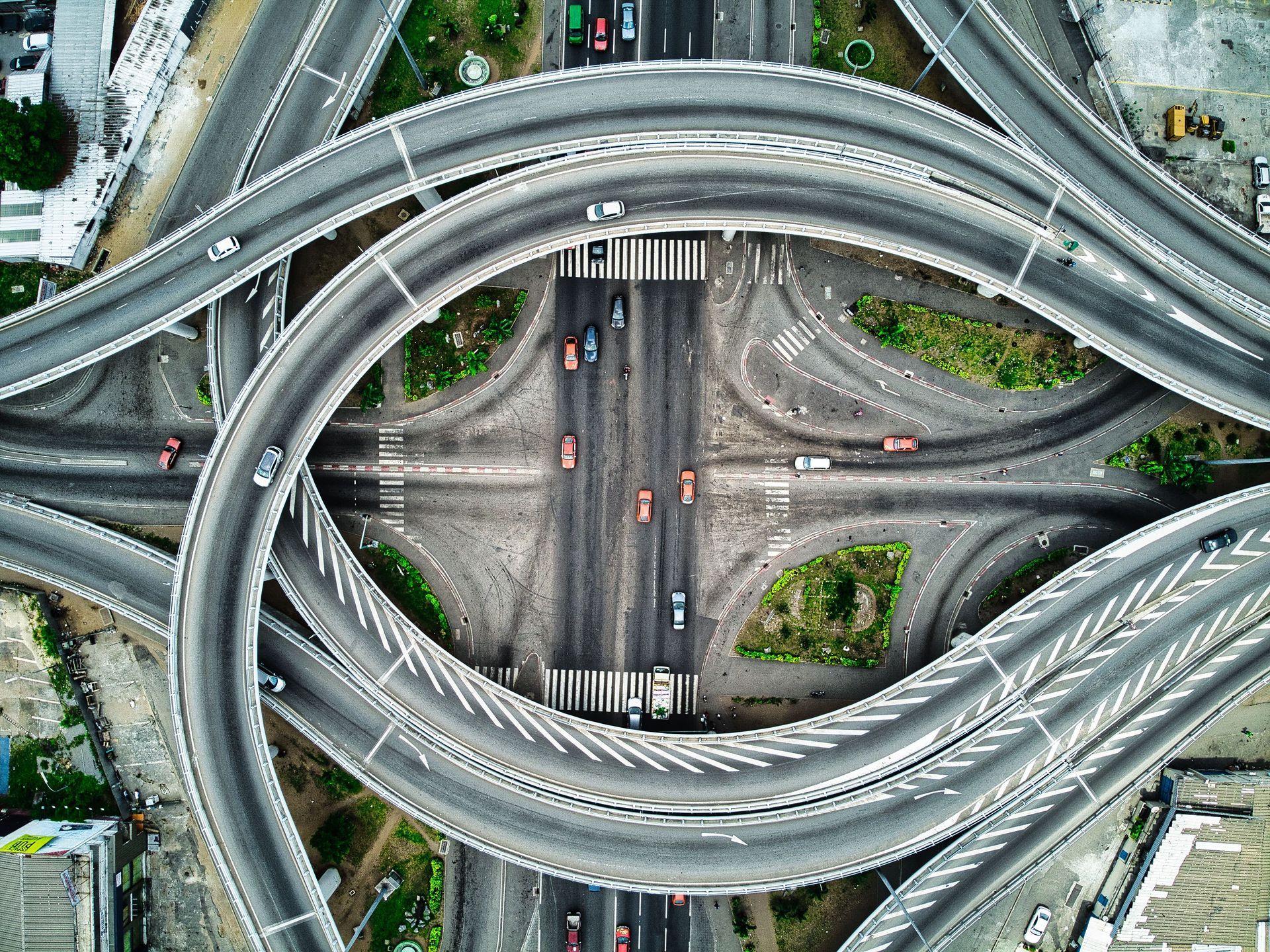
A car that pulls when braking takes longer to stop in a straight line and can swerve toward other lanes during a hard stop. On busy stretches like Victoria Avenue or the on-ramps along the 101, that lost control can be the difference between a safe stop and a collision. According to NHTSA data, an estimated 22% of light-vehicle collisions are attributed to brake-related problems, which underscores why letting this symptom go unaddressed carries real risk.
There is also a hidden cost. A stuck caliper that goes unaddressed can overheat, warp a rotor, and damage nearby components, turning a modest repair into a major one.
How We Diagnose the Problem
When you bring your vehicle to our Ventura shop, we start with a road test to feel the pull for ourselves, then inspect the calipers, pads, rotors, hoses, and fluid. We also check tire condition, suspension wear, and alignment so we can pinpoint the true source rather than treating a symptom.
Over the years, we have seen brake pull misdiagnosed at other shops. A caliper gets blamed when the real problem is a collapsed hose, or alignment gets cited when the actual cause is a pressure imbalance in the hydraulic circuit. That is why our process starts with the road test and ends with a written explanation of what we found.
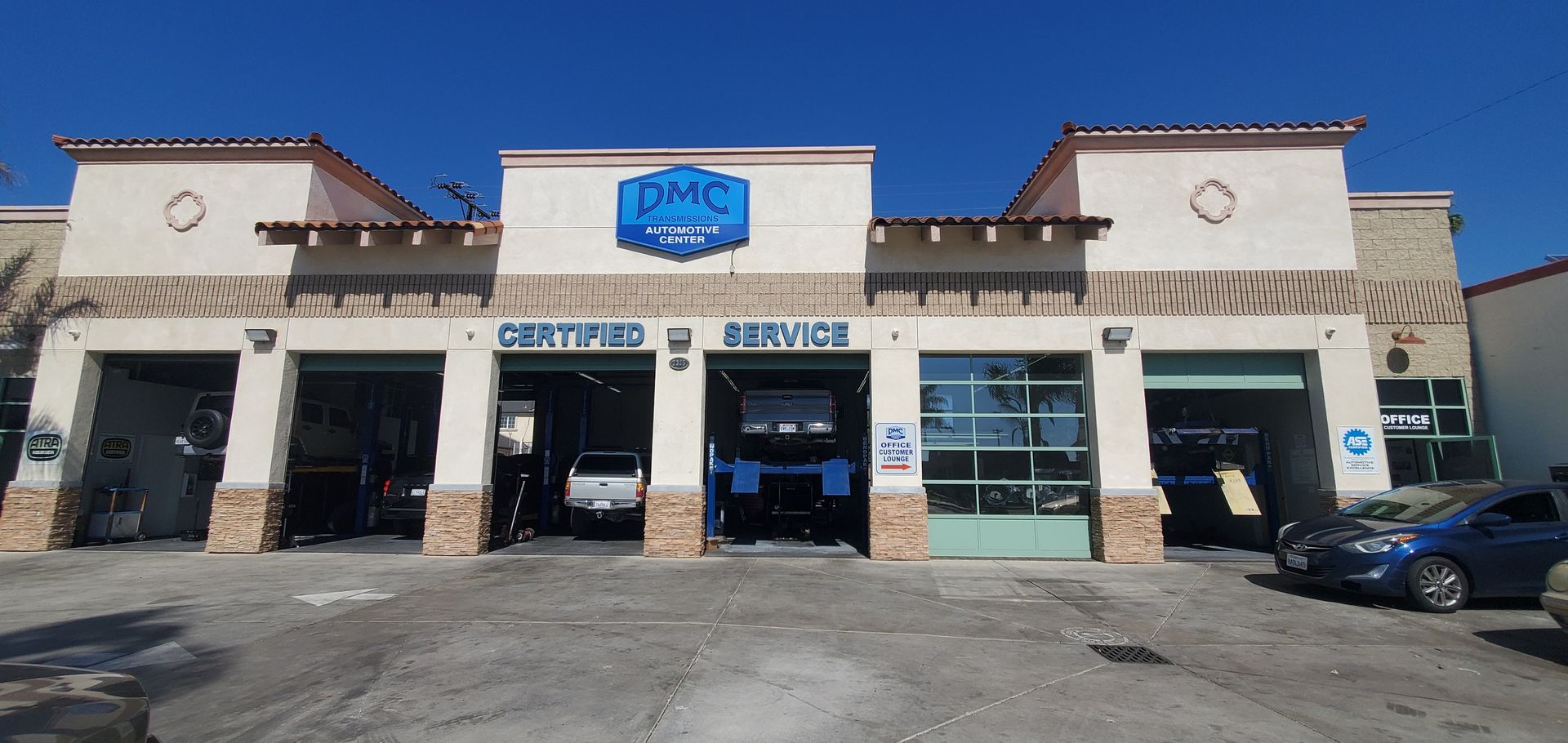
Our technicians hold ASE certifications and our shop is licensed by the California Bureau of Automotive Repair. If you want to verify any shop's credentials before you bring your vehicle in, ASE maintains a consumer resource at
ase.com/drivers and the California BAR runs a license-verification tool at
bar.ca.gov/locator.
For a deeper look at the diagnostic methods professionals use for brake pull, the trade publication
Brake and Front End covers the full spectrum of causes, from tire pressure to hydraulic faults, which mirrors exactly how we approach every inspection.
FAQs
Is it safe to drive if my car pulls when braking?
It is risky. You may be able to drive carefully to a shop, but you should have it inspected as soon as possible because the problem affects your ability to stop safely.
Could a pull just be my alignment?
Sometimes, but a pull that appears only when braking usually points to the brake system, while a constant pull at all speeds is more likely alignment or tires. A proper inspection tells the difference.
How long does this kind of repair take?
It depends on the cause. A caliper or hose replacement is often a same-day job, while alignment and suspension work may take longer. We give you a clear estimate up front.
A car that pulls to one side when braking is telling you something is out of balance, and ignoring it puts your safety at risk.
The cause could be a sticking caliper, uneven pads, a failing hose, or an issue with your tires and alignment. The only way to know for sure is a thorough inspection.
Do not gamble with your stopping power. Bring your vehicle to DMC Automotive Repair and let our Ventura technicians find the cause and get you driving straight and safe again.
Our Location
DMC Automotive Repair
Address:
2325 E Thompson Blvd, Ventura, CA 93003
Phone:
(805) 652-2221
Hours: Monday–Friday, 7:00 AM – 6:00 PM