Your brakes are the most important safety system on your vehicle, yet the signs that they need attention are easy to miss until something feels wrong. Knowing when to schedule brake repair in Ventura can save you money, protect your family, and stop small problems from becoming expensive ones. Below are the most common warning signs that it is time to have a trusted local shop take a look.
Warning Signs You Need Brake Repair
Most brake problems announce themselves long before they become dangerous. The trick is learning to recognize them. After 18 years of diagnosing brake issues in this community, we have heard the same story from drivers all over Downtown Ventura and the Midtown area. They noticed something felt off for weeks before they finally came in. Nearly every one of those customers ended up with a larger repair bill than someone who caught the same problem early. Acting promptly when something seems different is always the better call.
Here are the signals you should take seriously.
Squealing or Squeaking Noises
A high pitched squeal when you press the pedal is usually the first hint that your brake pads are wearing thin. Many pads are built with a small metal wear indicator that makes this sound on purpose, almost like an early alarm. If you hear it during your morning drive down Thompson Boulevard, it is a good time to book an inspection. If you want to understand what is behind that sound and when it becomes more serious, our breakdown of why brakes squeal covers every common cause.
Grinding Sounds
Grinding is more serious than squealing. It often means the pad material has worn away completely and metal is now pressing against metal. This damages your rotors quickly and turns an affordable pad replacement into a much larger job. If you hear grinding, stop driving on those brakes and have them checked right away.
Vibration or a Pulsing Pedal
If the brake pedal shakes or pulses under your foot, your rotors may be warped or unevenly worn. Ventura drivers who tackle the grades around Ondulando and the foothills tend to see this sooner because steep descents put extra heat into the braking system.
A Soft or Sinking Pedal
A pedal that feels spongy or sinks toward the floor can point to air in the brake lines, a fluid leak, or a failing master cylinder. This is one of the most urgent problems on this list because it directly affects your stopping power.
Longer Stopping Distances
If your car needs more room to come to a stop than it used to, your braking components are losing their effectiveness. You may notice it most at busy intersections near the Pacific View Mall area, where quick stops are common.
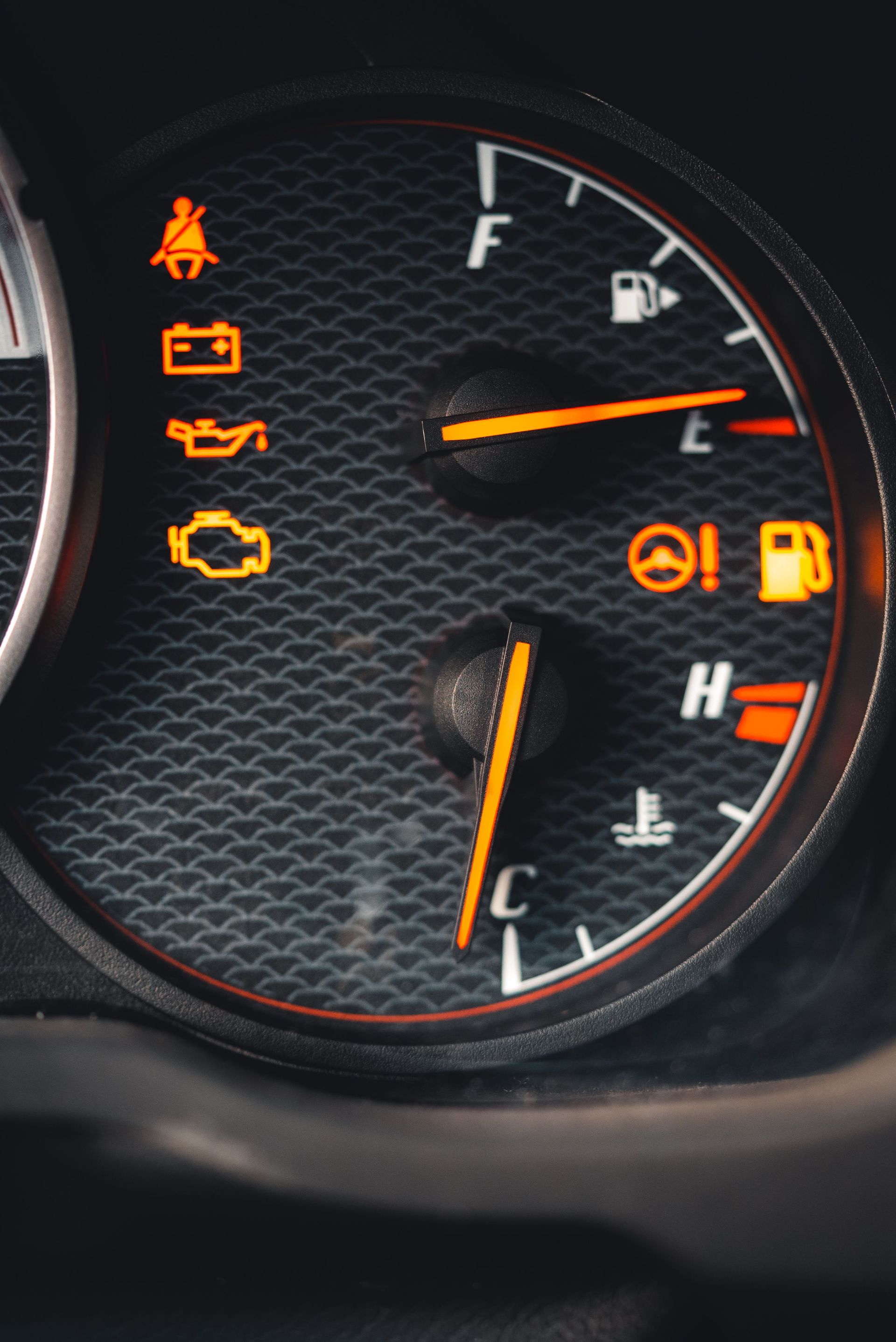
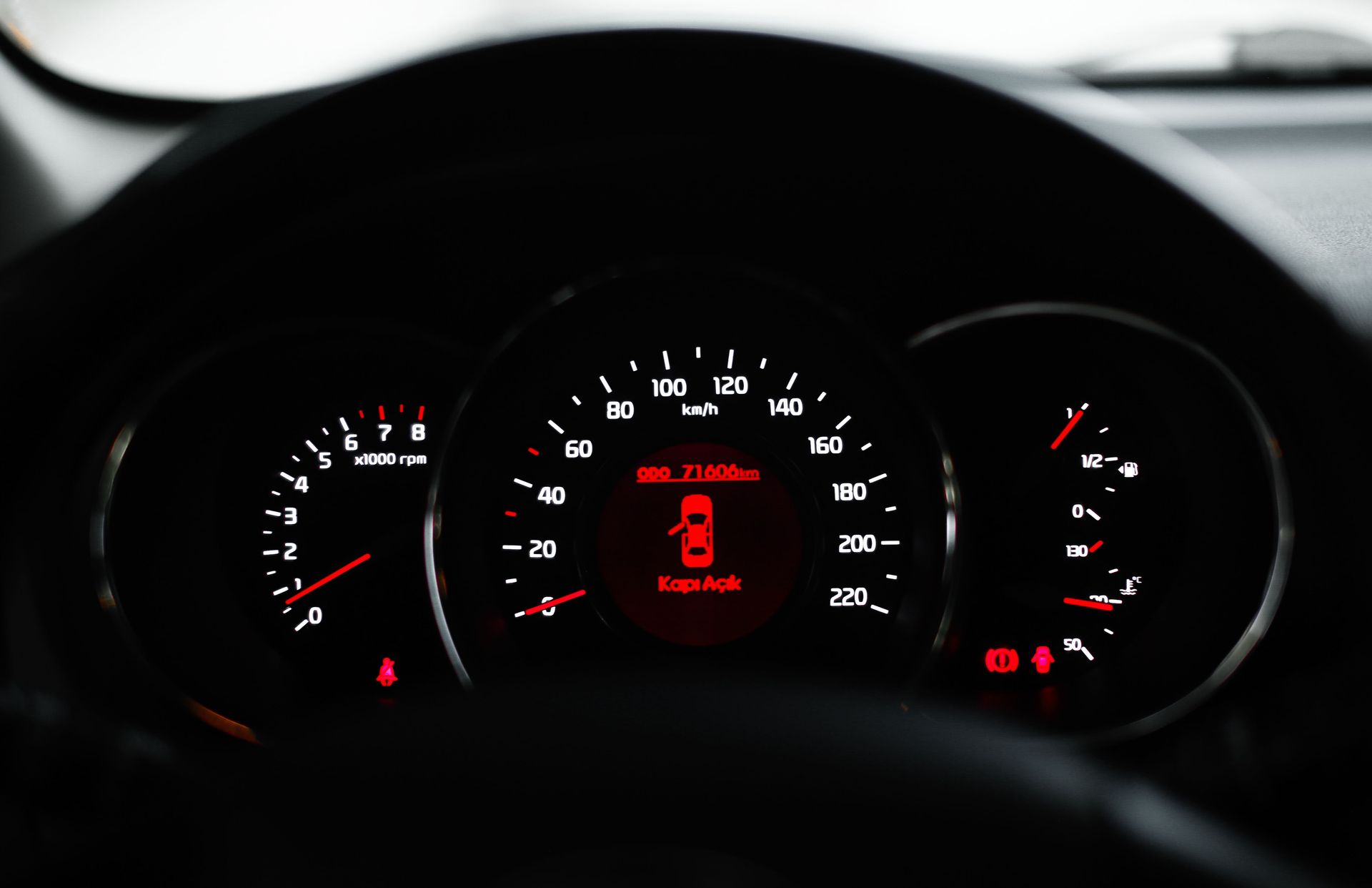
A Dashboard Brake Warning Light
Modern vehicles monitor the braking system and will light up the dashboard when something is wrong. Never ignore a brake or ABS warning light. It is your car asking for a professional inspection.
Pulling to One Side
If your vehicle drifts left or right when you brake, one side of the system may be wearing faster than the other or a caliper may be sticking. Beyond being annoying, this makes the car harder to control in an emergency.
Why Timely Brake Repair Matters in Ventura
Putting off brake repair rarely saves money. According to NHTSA's National Motor Vehicle Crash Causation Survey, brake-related failures account for roughly 22 percent of crashes where a vehicle defect is identified as the primary cause. Ventura driving puts real demand on your brakes, from coastal stop and go traffic to the climbs and descents in the surrounding hills. Catching problems early keeps you safe and keeps repairs affordable.
Our technicians are ASE-certified, which means their credentials meet the standards outlined on the
ASE consumer page. Ventura drivers can also verify any licensed shop through the
California Bureau of Automotive Repair locator at any time.
How Often Should You Have Your Brakes Checked?
We recommend having your brakes inspected at least once a year, or any time you notice one of the signs listed above. One of the most common things we see in the shop is a customer who has been putting off a brake check because the car still seemed fine.
By the time they come in, what could have been a straightforward pad swap has turned into a rotor replacement as well. Folding a quick brake inspection into your regular oil change is the single easiest way to stay ahead of that situation.
FAQs
How long do brake pads usually last?
Most pads last between 30,000 and 70,000 miles, though hilly routes, heavy traffic, and driving style all affect that range. Drivers navigating Ventura's coastal traffic and hillside grades often find themselves on the shorter end of that window.
Is it safe to drive with squealing brakes?
A light squeal usually means you have time to schedule service soon, but grinding or a soft pedal means you should stop driving and get help right away. Waiting on either of those symptoms can turn a minor repair into a significantly more costly one.
How much does brake repair cost in Ventura?
It depends on which components need attention. We always inspect first and give you a clear estimate before any work begins, so there are no surprises. As an AAA-approved facility, we are committed to fair, transparent pricing on every job.
Your brakes give you plenty of warning when they need help. Listen for noises, pay attention to how the pedal feels, and watch for dashboard lights. If anything on this list sounds familiar, the safest move is a professional inspection.
Ready to drive with confidence again? Schedule your
brake inspection with the trusted team at DMC Automotive Repair and let us keep you and your family safe on every Ventura road.
Our Location
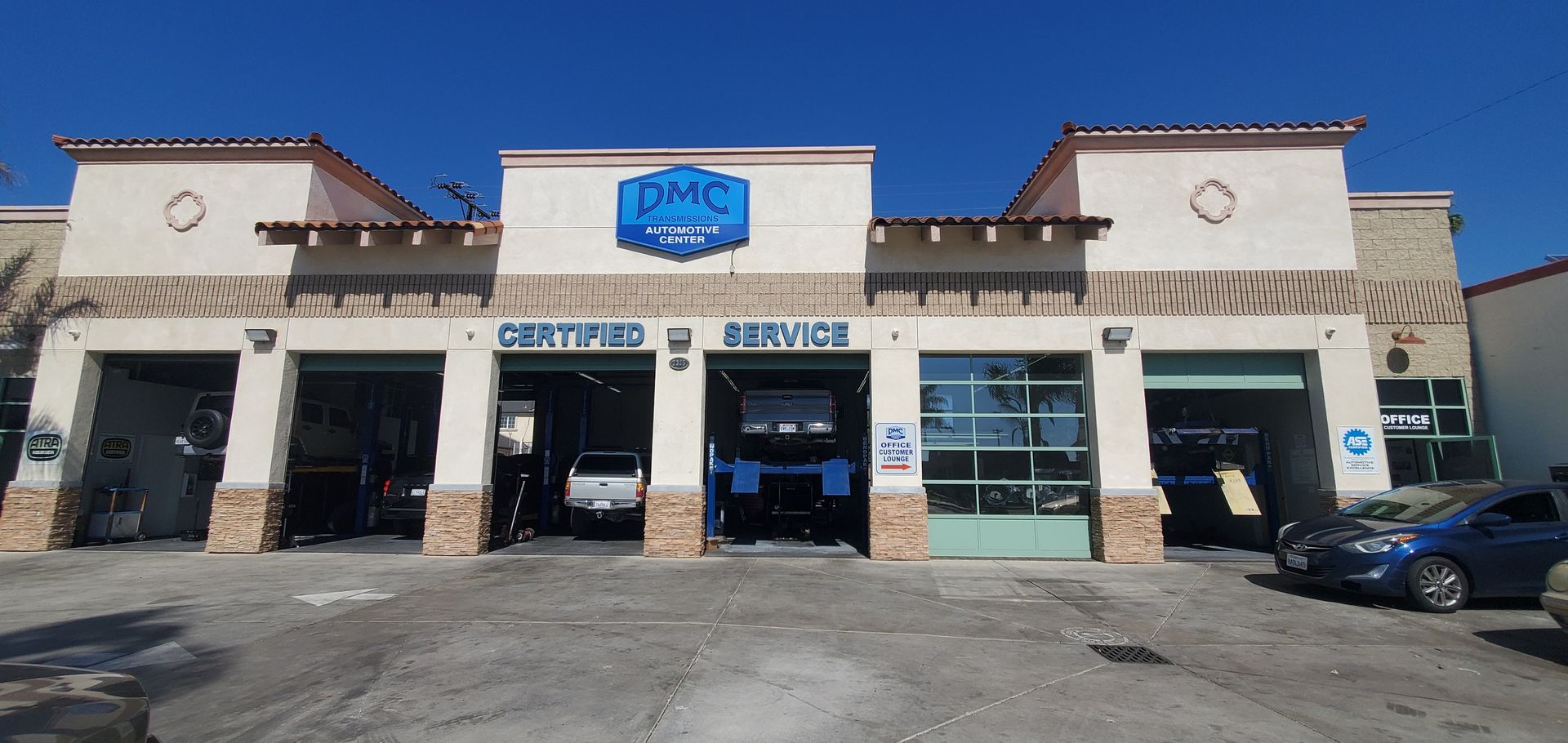
DMC Automotive Repair
Address: 2325 E Thompson Blvd, Ventura, CA 93003
Phone: (805) 652-2221
Hours: Monday–Friday, 7:00 AM – 6:00 PM