Brake Pads vs Rotors and When to Replace Each
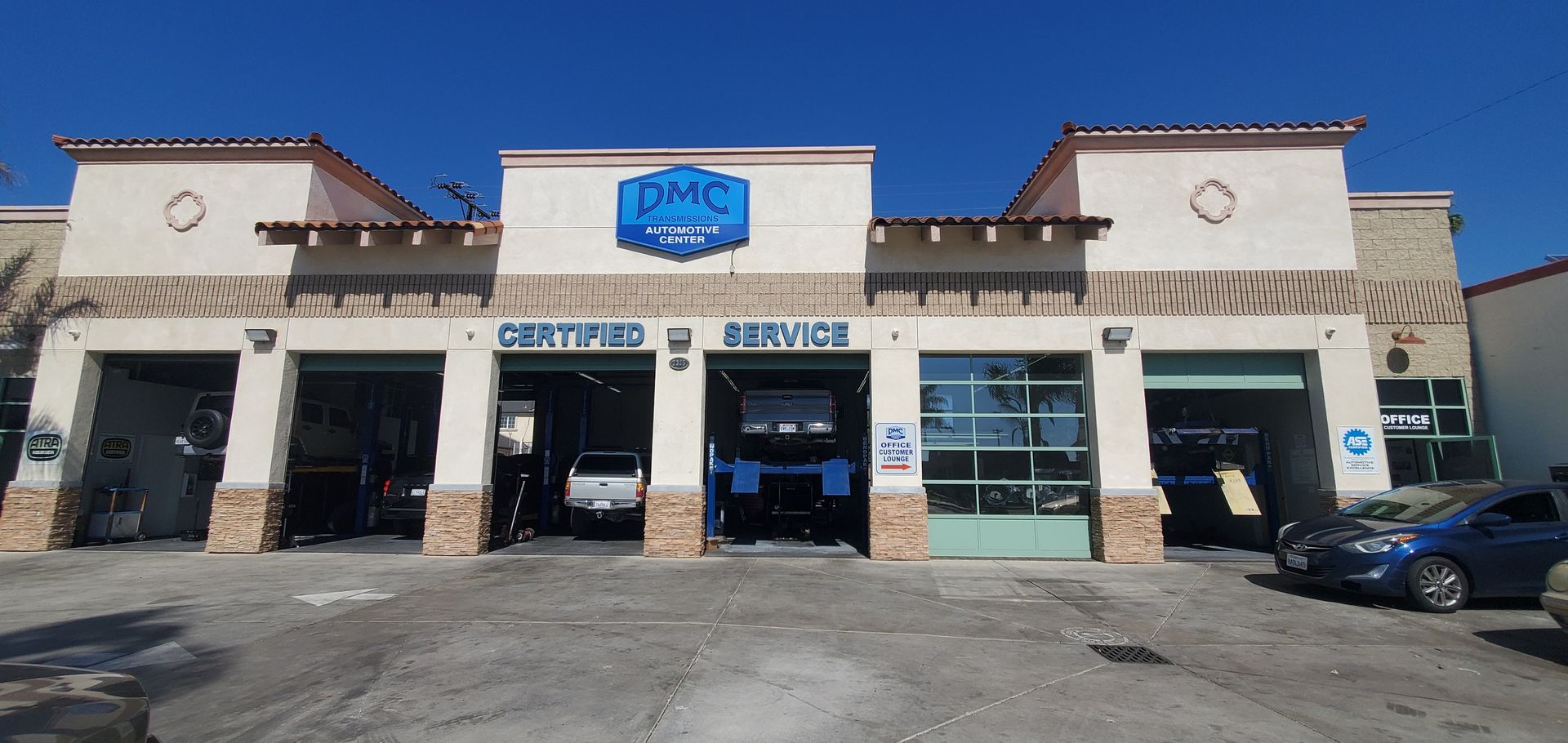
Two parts of your vehicle’s braking system get confused more than any others: brake pads and rotors. Understanding these parts is the key to making smart maintenance decisions. These components work together every time you slow down, but they wear at different rates and serve different jobs. At DMC Automotive Repair, we have spent more than 18 years explaining the difference to Ventura drivers so they can budget wisely and stay safe. Here is a clear, plain English guide to what each part does and when it is time to replace it.
Brake Pads vs Rotors, What Each Part Does
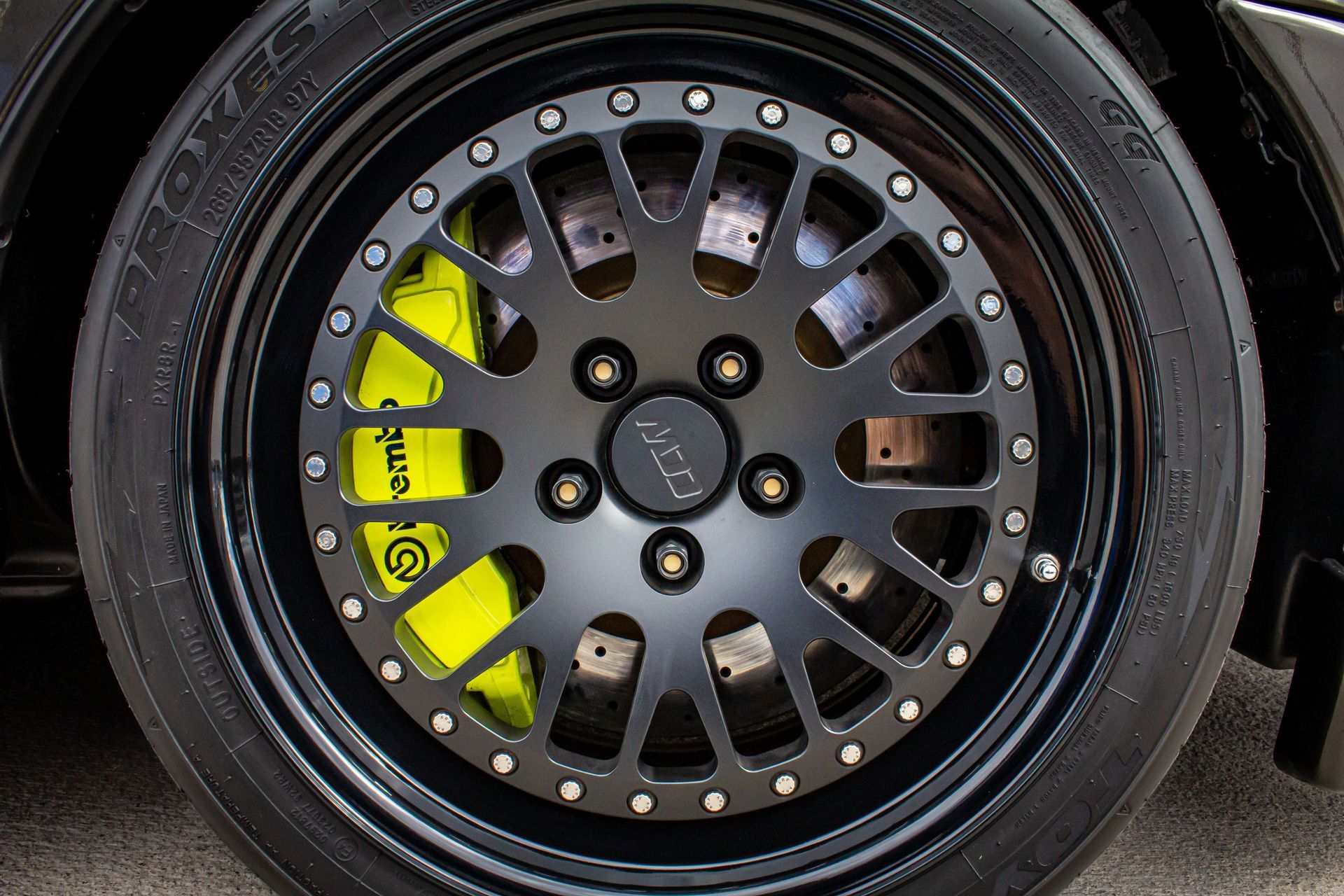
Your rotors are the large metal discs that sit behind each wheel and spin with it. Your brake pads are the friction blocks that squeeze against those rotors when you press the pedal. That squeezing creates the friction that slows your car. Think of the rotor as the surface and the pad as the material that grips it.
Because the pads are designed to wear down through friction, they are the part that needs replacing most often. Rotors last longer, but they do not last forever, and they take damage quickly if worn pads are ignored.
When to Replace Your Brake Pads
Pads are considered a wear item, meaning they are built to be replaced regularly. Most pads last somewhere between 30,000 and 70,000 miles, though driving habits play a big role.
In our shop, we regularly see vehicles come in with pads worn far further than the owner expects. Ventura's coastal stop-and-go traffic and the grades near Ondulando put more stress on brake pads than most drivers realize, and a vehicle driven that way can hit the wear limit well before the 30,000-mile mark. That kind of early wear is completely normal for Ventura driving conditions, and knowing it ahead of time helps you budget for it.
Watch for these signs that your pads are due.
A squealing wear indicator on every stop, a thinning pad you can see through the wheel spokes, longer stopping distances, and a brake warning light related to wear. When pad material gets too thin, it can no longer absorb heat or grip properly, which is both unsafe and hard on your rotors.
Data from the Commercial Vehicle Safety Alliance shows how widely brake wear goes undetected. During its
2025 Brake Safety Week, inspectors placed 15.1 percent of inspected vehicles out of service for brake defects across North America, consistent with the prior year's results. Passenger vehicles are not part of the same inspection program, but the pattern reinforces how easy it is to overlook brake wear until it becomes a safety issue.
When to Replace Your Rotors
Rotors are more durable, often lasting through two sets of pads or more, but they wear and can be damaged. The most common reasons to replace rotors are warping, which causes a pulsing pedal or steering wheel vibration when braking, and scoring, which are deep grooves usually caused by running pads down to the metal.
Rotors also have a minimum thickness rating. Each time they are resurfaced or simply wear over the years, they get slightly thinner, and once they drop below the safe limit they must be replaced.
NHTSA brake pad maintenance and disc resurfacing guidelines establish that a rotor reaching the manufacturer's discard thickness cannot be safely resurfaced and must be replaced entirely. A technician measures this during an inspection so you are not guessing.
Do You Always Replace Them Together?
Not always, and this is where good advice saves you money. If you catch worn pads early, you may only need pads while the rotors still measure within spec. If the pads were run down to metal, or if the rotors are warped or below the minimum thickness, replacing both at the same time is the safer and often more cost effective choice. Fresh pads on damaged rotors will not perform well and tend to wear out faster.
In our Ventura shop, we measure before we recommend. That way you only replace what truly needs replacing, and you understand exactly why.
Why Professional Measurement Matters
The difference between needing pads only and needing pads plus rotors comes down to precise measurements that are difficult to judge by eye.
After 18 years doing this, one of the most common things we see is a driver surprised by the condition of their rotors. The pads were thin enough to flag, but nobody had checked the rotor thickness in years. That combination of worn pads and a rotor already below minimum spec is where a straightforward pad job turns into a more expensive repair. Measuring first is how we protect customers from that outcome, and it is how we explain exactly what a vehicle needs so no one is ever left guessing.
Our ASE-certified technicians use calibrated tools to check pad thickness and rotor condition at every brake inspection. You can verify
ASE certification status for any shop or technician, and you can look up California automotive repair shop licenses through the
Bureau of Automotive Repair locator.
FAQs
Do rotors need replacing every time I get new pads?
No. If the rotors are still within the safe thickness and are not warped or deeply scored, you can often replace just the pads. A precise measurement during your inspection is what determines which option applies to your vehicle.
How do I know if my rotors are warped?
The most common sign is a pulsing or vibrating sensation in the pedal when you brake. A technician can confirm it by measuring the rotor for thickness variation across its surface. For a full explanation of what causes rotors to develop that variation and how to prevent it, see our dedicated guide on
what causes brake rotors to warp.
Which is more expensive to replace, pads or rotors?
Rotors generally cost more than pads because they are larger components. Replacing pads early helps protect the rotors and keeps your overall brake service costs down over time.
Next Steps
Understanding brake pads vs rotors helps you make confident, informed choices about your vehicle. Pads wear faster and are replaced more often, while rotors last longer but need attention when they warp or wear thin. The smartest move is a professional inspection that measures both so you know exactly where you stand.
Not sure whether you need pads, rotors, or both? Let our
brake specialists measure, explain, and recommend only what your vehicle truly needs. Schedule your Ventura brake service today.
Our Location
DMC Automotive Repair
Address:
2325 E Thompson Blvd, Ventura, CA 93003
Phone Number:
(805) 652-2221
Hours: Monday–Friday, 7:00 AM – 6:00 PM