If you’ve purchased a vehicle in the last decade, you may have noticed a comforting phrase in your owner’s manual: "Lifetime Transmission Fluid."
On the surface, it sounds like a miracle of modern engineering. No more messy fluid changes, no more maintenance costs, and one less thing to worry about. But as transmission specialists, we see the aftermath of this "miracle" every single day in our shop.
The "lifetime fluid" claim is one of the most successful marketing tactics in automotive history. It could also cost you thousands of dollars.
The Marketing Behind the "Lifetime" Label
Why would a manufacturer claim a fluid lasts forever when physics tells us otherwise? The answer lies in the Total Cost of Ownership (TCO).
When automotive publications and consumer reports rank vehicles, they look at how much it costs to maintain that car over the first five years or 60,000 miles. By labeling the transmission as "sealed" or "service-free," manufacturers can artificially lower their TCO rankings. It makes the car look more attractive to buyers and fleet managers who want low-maintenance vehicles.
The Definition of "Lifetime"
Here is the industry secret: When a manufacturer says "lifetime," they aren't talking about your lifetime. They aren't even talking about the car’s potential 20-year lifespan.
In most cases, a manufacturer defines the "lifetime" of a vehicle as the duration of the powertrain warranty which is typically 60,000 to 100,000 miles. Once you cross that threshold, the manufacturer has fulfilled its obligation. If the transmission fails at 110,000 miles because the fluid has broken down and turned into sludge, the cost of a $5,000 replacement falls entirely on you.
Why Fluid Can’t Last Forever
Your transmission is a high-heat, high-friction environment. Over time, even the highest-quality synthetic fluids undergo:
1. Oxidation: Constant exposure to heat causes the fluid to break down chemically, losing its ability to lubricate.
2. Contamination: As the internal clutches wear down, microscopic bits of metal and friction material enter the fluid. Without a filter change and fresh fluid, this "sludge" acts like sandpaper on your gears.
3. Viscosity Loss: Fluid thins out over time, leading to increased internal heat and harder shifts.
The Ventura Reality: Stop-and-Go and Coastal Heat
Driving in Ventura County adds its own set of challenges. Whether it’s the stop-and-go traffic on the 101 or the heat of a summer climb through the Casitas Pass, your transmission works harder than the "average" testing conditions used by manufacturers. Harder work means hotter fluid, and heat is the number one killer of transmissions.
Our Recommendation: Real-World Maintenance
If you plan on trading your car in every three years, the "lifetime fluid" lie won't affect you. But if you want your vehicle to last 150,000 or 200,000 miles, you must ignore the "lifetime" label.
We recommend a transmission fluid exchange and filter service every 30,000 to 60,000 miles, depending on your driving habits. It is the difference between a small maintenance investment now and a catastrophic mechanical failure later.
Don’t let a marketing term dictate the lifespan of your vehicle. Trust the mechanics who see what the inside of a "lifetime" transmission actually looks like after 100,000 miles.
Contact Us
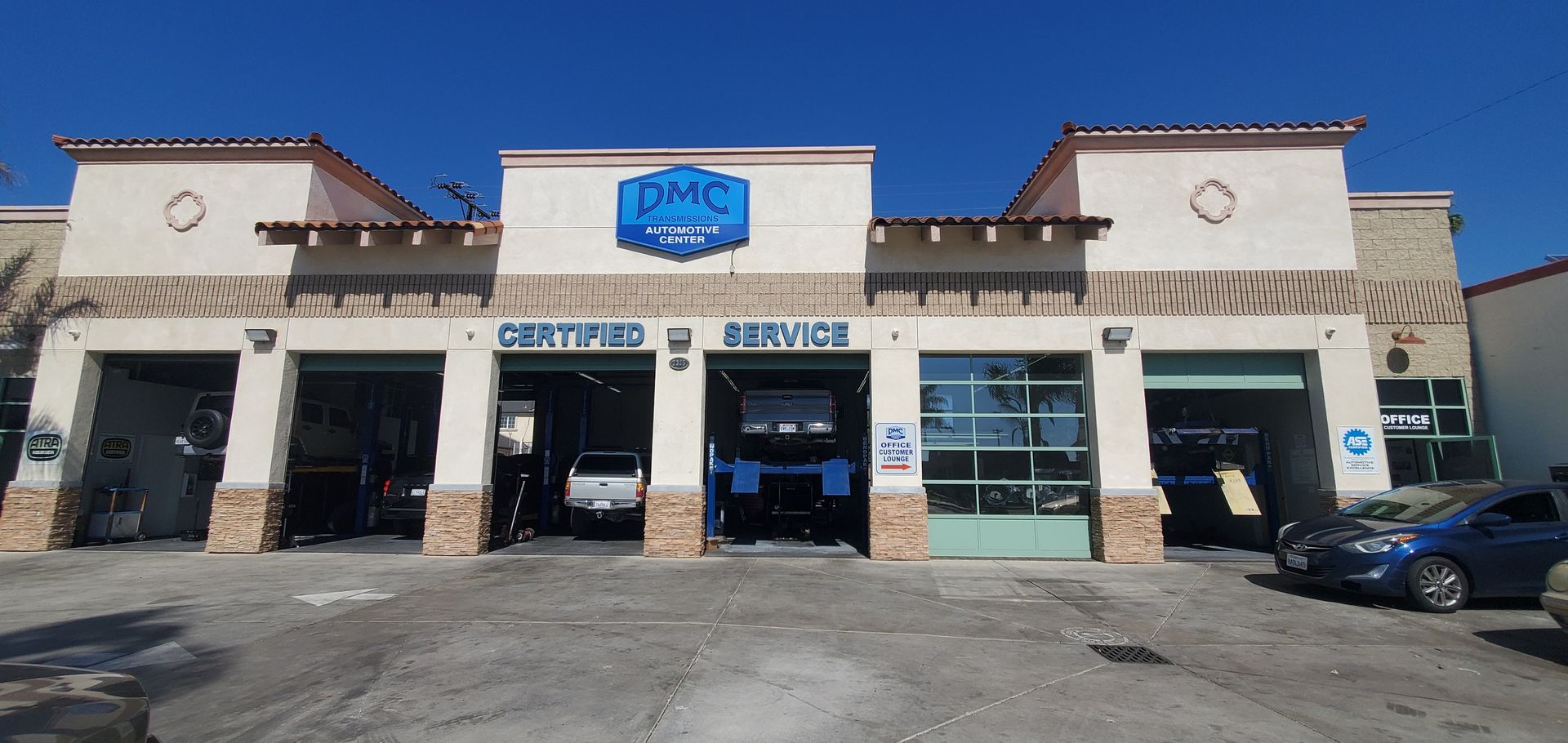
If you’re unsure if your fluid needs changing, bring your vehicle by for a professional inspection. We specialize in keeping Ventura’s transmissions running smooth for the long haul.
Address:
2325 E Thompson Blvd, Ventura, CA 93003
Phone Number: (805) 652-2221
Hours: Monday-Friday: 8 AM - 5 PM